










An essential aspect of maintaining your home during this season is winterizing your Southeast home. In fact, did you know that homes in our area suffer more winter damage from neglect than from severe cold?
While homeowners in Atlanta, Charlotte, and Birmingham don’t face the brutal winters of the northern states, that doesn’t mean that your home gets a free pass when temperatures drop. In fact, the mild climate can create a false sense of security that leaves homes vulnerable to surprising winter challenges.
From sudden temperature swings that stress your roofing system to rare ice storms that expose weaknesses in your windows and doors, Southeast winters demand their own preparation strategy.
The good news? With the right approach, you can protect your home, lower your energy bills, and avoid costly emergency repairs when winter weather strikes.
Key Takeaways
Southeast homes face unique winter challenges including temperature fluctuations, ice storms, and high humidity that Northern winterization advice doesn’t address.
Proper window and door sealing can reduce heating costs by 10-20% even in mild climates.
Your roof and siding are especially vulnerable to winter moisture damage in regions like Raleigh, Knoxville, and Huntsville.
Fall maintenance (September-November) is the ideal time to winterize before cold snaps arrive.
Professional inspections can identify hidden vulnerabilities that do-it-yourself (DIY) methods miss.
Understanding Southeast Winters: Why Our Climate Is Different
The Southeast doesn’t experience winter like Chicago or Boston, but that doesn’t mean that our homes are safe from seasonal damage.
Temperature Swings Are Your Real Enemy
In cities like Chattanooga and Knoxville, you might see 65-degree sunshine on Monday and a hard freeze by Wednesday. These rapid temperature changes cause building materials to expand and contract repeatedly, creating stress points in your roof, siding, and foundation.
This constant movement can open gaps in your home’s envelope that wouldn’t develop in consistently cold climates.
Ice without Snow
Charlotte and Raleigh residents know this phenomenon well: freezing rain that coats everything in ice without the insulating layer of snow that northern homes get. This ice can damage roofing materials, slip under siding, and create leaks that catch homeowners completely off guard.
Humidity Doesn’t Take a Winter Break
Unlike northern winters that bring dry air, Southeast cities like Atlanta and Birmingham maintain higher humidity levels even in cold months. This moisture combined with temperature drops creates perfect conditions for condensation problems, mold growth, and wood rot in vulnerable areas of your home.
Your Room-by-Room Winterization List
The most effective way to winterize your home is to work systematically through each area where heat escapes and cold air enters. This room-by-room approach ensures that you don’t overlook critical vulnerabilities while helping you prioritize improvements based on your budget and timeline.
Let’s start with the areas that have the biggest impact on your comfort and energy bills.
Windows: Your First Line of Defense
Windows account for up to 30% of heating energy loss in the average home. In the Southeast, where many homes have single-pane windows or older installations, this percentage can be even higher.
- Inspection points—Start by examining each window for visible gaps, cracks in the glass, or deteriorating caulk. Run your hand around the frame on a windy day and feel for drafts. Check for condensation between panes, which indicates seal failure. If you notice multiple windows with problems or if your windows are more than 20 years old, window replacement might be more cost-effective than repeated repairs.
- Quick fixes—Apply weatherstripping to movable parts and fresh caulk to stationary joints. For single-pane windows, consider interior storm panels or insulating film kits available at hardware stores.
- When to upgrade—Modern energy-efficient windows pay for themselves through reduced heating and cooling costs. If your energy bills have crept up year after year or if you feel drafts even after sealing efforts, professional window replacement should be on your radar.
Homeowners in Huntsville and other Tennessee Valley locations often see immediate comfort improvements after upgrading to double-pane, Low-E windows.
Doors: Stop the Drafts on the Threshold
Exterior doors create four times more air leakage per square foot than windows. That gap under your door or around the frame isn’t just letting in cold air; it’s forcing your heating system to work overtime.
- Dollar-bill test—Close a dollar bill in your door. If you can pull it out easily without resistance, your door isn’t sealing properly. Test this at multiple points around the door frame.
- Weatherstripping solutions—Replace worn weatherstripping on door edges. For door bottoms, install a door sweep or threshold seal. Pay special attention to garage doors leading into your home, which often have significant gaps.
- Signs you need door replacement—If your door is warped, doesn’t close flush with the frame, has visible daylight around the edges, or shows wood rot at the bottom, it’s time for door replacement rather than patching. Modern insulated doors provide significantly better thermal performance than older hollow-core or solid wood doors.
Birmingham homeowners often find that replacing a drafty front door eliminates that cold spot in their entryway and reduces their heating bills noticeably.
Roof: Your Home’s Primary Protection
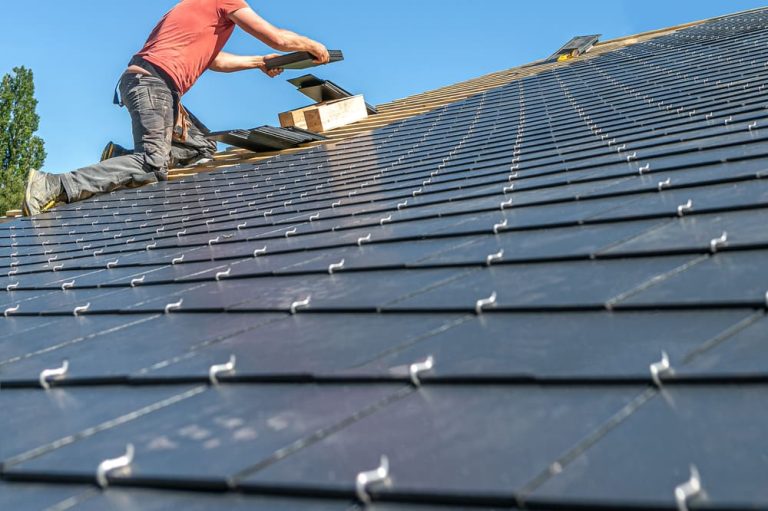
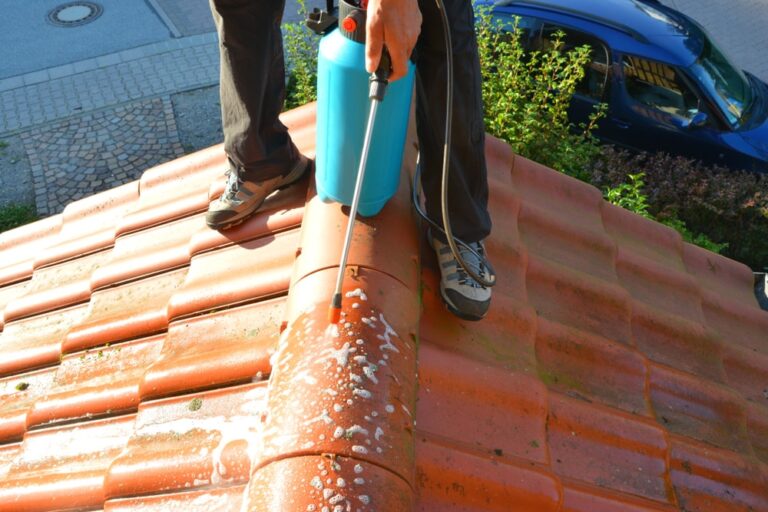
Your roof works harder in Southeast winters than you might think. The combination of rain, occasional ice, and temperature fluctuations creates conditions that can shorten your roof’s lifespan if not properly maintained.
- Fall inspection essentials—From ground level, look for missing, curled, or damaged shingles. Check valleys and flashing around chimneys and vents for gaps or rust. Inside your attic, look for water stains, daylight coming through the roof boards, or sagging areas.
- Gutter maintenance—Clean gutters and downspouts thoroughly before winter. Clogged gutters in Atlanta and Charlotte cause water to back up under shingles, leading to leaks and ice dam formation during freezes. Ensure that downspouts direct water at least 5-6 feet away from your foundation.
- When repairs aren’t enough—If your roof is over 20 years old, has multiple repair areas, or shows widespread granule loss on shingles, roof repair might be a temporary fix to a larger problem. A professional roofing inspection can determine whether strategic repairs will suffice or whether roofing replacement makes more financial sense.
Knoxville’s freeze-thaw cycles are especially hard on aging roofs, making proactive replacement a smart investment before leaks cause interior damage.
Siding: Overlooked Protector
Your siding is your home’s primary defense against moisture infiltration. Winter rain and ice can exploit even small weaknesses in your siding system.
- Visual inspection—Walk around your home looking for cracked, loose, or missing siding pieces. Check corners and joints where different materials meet. Look for any areas where the siding appears warped or water-stained.
- Hidden danger—Many siding problems aren’t visible from the outside. Moisture trapped behind siding causes wood rot, mold growth, and insulation damage that you won’t see until significant damage has occurred.
- Modern siding advantages—If your inspection reveals widespread problems, be aware that siding installation with modern materials offers superior moisture protection and insulation compared to older siding. Fiber cement and high-quality vinyl siding stand up to Southeast weather patterns better than many traditional materials.
Raleigh’s wet winters make moisture-resistant siding especially valuable for long-term home protection.
HVAC Connection: Making Your Heating System Work Smarter
Your heating system is only as efficient as your home’s envelope allows it to be. Even the newest, most efficient furnace or heat pump struggles if it’s heating air that immediately escapes through gaps and leaks.
- Filter changes—Replace heating, ventilation, and air conditioning (HVAC) filters monthly during heating season. Dirty filters reduce efficiency by up to 15% and force your system to run longer, increasing wear and energy costs.
- Professional maintenance—Schedule a professional HVAC inspection before heating season begins. Technicians can identify issues with heat exchangers, ductwork, and thermostats that reduce efficiency or create safety hazards.
- Insulation factor—Check attic insulation levels. Southeast homes should have R-30 to R-49 insulation in attics, but many older homes fall short. Adding insulation is one of the most cost-effective improvements you can make.
- Ductwork matters—Leaky ducts in unconditioned spaces like attics or crawlspaces waste enormous amounts of heated air. Professional duct sealing can improve system efficiency by 20% or more.
Plumbing Protection: Preventing Freeze Damage
Even in Atlanta or Birmingham, exposed pipes can freeze during cold snaps. The resulting burst pipes cause thousands of dollars in water damage.
- Identify vulnerable pipes—Check pipes in unheated areas like garages, crawlspaces, and exterior walls. Outdoor faucets and irrigation systems are particularly vulnerable.
- Insulation and protection—Wrap exposed pipes with foam insulation sleeves. For outdoor faucets, install insulated covers or shut off interior valves and drain the lines.
- During freezes—Let faucets drip slightly during hard freezes. Open cabinet doors under sinks to allow warm air to circulate around pipes. If you’re traveling, keep your heat set to at least 55 degrees.
Immediate action: If you discover a frozen pipe, shut off the main water supply immediately and call a plumber. Never try to thaw pipes with a torch or open flame.
Exterior Preparations: Protecting Your Investment
The outside of your home needs attention before winter arrives in full force.
- Landscape management—Trim tree branches that hang over your roof or touch your siding. Ice accumulation on branches can bring them down onto your home, causing roof damage or broken windows.
- Foundation drainage—Ensure that the ground slopes away from your foundation on all sides. Clear drainage channels and make sure downspout extensions are in place. Poor drainage in Chattanooga’s clay soils can lead to foundation problems amplified by freeze-thaw cycles.
- Outdoor equipment—Drain and store garden hoses. Shut off exterior faucets from interior shutoff valves. Cover or store outdoor furniture and grills to prevent damage from ice and moisture.
- Deck and porch care—Inspect wooden decks and porches for loose boards or weak spots. Winter moisture can accelerate rot in compromised wood. Consider applying a water-repellent sealer before winter if your deck hasn’t been treated recently.
Creating Your Winterization Timeline
Effective home winterization isn’t a one-day project. Breaking it into manageable phases ensures that you complete everything before cold weather arrives.
- September: assessment phase—Conduct thorough inspections of your roof, windows, doors, and siding. Schedule professional inspections for systems you can’t evaluate yourself. Create a prioritized list of needed repairs or replacements.
- October: major projects—Complete any roof repair, roofing replacement, window replacement, door replacement, or siding installation projects. These larger improvements need to be finished while weather is still mild.
- November: finishing touches—Handle weatherstripping, caulking, gutter cleaning, and pipe insulation. Test your heating system with a professional inspection. Complete landscape trimming and outdoor equipment storage.
- December and beyond: monitoring—Stay vigilant throughout winter. After any freeze or ice event, inspect for damage. Address small problems immediately before they become major repairs.
Professional Advantage: When to Call the Experts
Some winterization tasks are perfect DIY projects. Others require professional expertise to do safely and effectively.
- DIY-friendly tasks—Weatherstripping doors, caulking small gaps, changing HVAC filters, cleaning gutters (single-story homes), insulating pipes, and adjusting thermostat settings are manageable for most homeowners.
- Professional territory—Roof repair, roofing replacement, window replacement, door replacement, siding installation, HVAC system maintenance, electrical work, and major insulation projects require professional skills and equipment.
- Cost-benefit analysis—Professional work often costs less in the long run than DIY mistakes. Improperly installed windows leak air and moisture. Poor roofing work leads to expensive water damage. Incorrect HVAC repairs can create safety hazards.
- Finding quality contractors—Look for licensed, insured professionals with strong local reputations. Check reviews from other homeowners in your area. Ask about warranties on both materials and labor. Get multiple estimates for major projects.
Energy Efficiency: Winter Bonus
Winterization isn’t just about preventing damage. It’s also about reducing energy waste and lowering your utility bills.
- Envelope approach—Your home’s “envelope” includes everything that separates conditioned interior space from the outdoors: walls, roof, windows, doors, and foundation. Sealing and insulating this envelope properly is the most cost-effective energy improvement you can make.
- Utility incentives—Many utility companies in Charlotte, Raleigh, Atlanta, and other Southeast cities offer rebates for energy-efficient improvements. Check with your local provider about incentives for window replacement, door replacement, insulation upgrades, or HVAC improvements.
- Return on investment (ROI)—Energy-efficient improvements typically pay for themselves through reduced utility bills over 5-10 years, while also increasing your home’s value. Modern windows and doors also improve comfort beyond just saving money
Common Southeast Winter Mistakes to Avoid
Learning from others’ mistakes can save you time, money, and frustration.
- Ignoring “minor” leaks—That small roof leak might seem manageable, but winter moisture can turn it into major water damage within a single season. Address leaks immediately rather than waiting for spring.
- Overlooking attic ventilation—Proper attic ventilation prevents moisture buildup that leads to mold, wood rot, and ice dam formation. Many Southeast homes have inadequate ventilation that becomes problematic in winter.
- Neglecting regular maintenance—Waiting until something breaks creates emergency situations and higher costs. Regular inspection and maintenance catch small problems before they become expensive disasters.
- Assuming that mild winters don’t matter—Huntsville, Knoxville, and Chattanooga all experience genuine winter weather that can damage unprepared homes. Don’t let the “mild Southeast winter” narrative leave your home vulnerable.
- Skipping professional inspections—DIY inspections are valuable, but professionals spot problems invisible to untrained eyes. Annual professional inspections of your roof, HVAC system, and home’s envelope are worthwhile investments.
Emergency Preparedness: When Winter Surprises You
Even with thorough preparation, winter emergencies can occur. Being ready makes all the difference.
- Essential emergency kit—Keep a winter emergency kit with flashlights, batteries, a battery-powered radio, bottled water, nonperishable food, blankets, and a first aid kit. Include your emergency plumber’s and roofer’s contact information.
- Power outage planning—Know how to safely operate a generator if you have one. Never run generators indoors or in enclosed spaces. Have alternative heating sources like a fireplace or propane heater inspected and ready.
- Ice storm response—During ice storms, stay indoors if possible. If you must go out, watch for downed power lines. Never touch anything in contact with a downed line. Report outages to your utility company promptly.
- When to evacuate—If your roof is damaged and actively leaking, your heating system fails in freezing weather, or you discover burst pipes flooding your home, you may need to temporarily relocate. Know your plan and have important documents in a grab-and-go location.
Long-Term Planning: Thinking Beyond This Winter
Smart homeowners think strategically about their home’s winter readiness over multiple years.
- 5-year plan—Create a maintenance schedule that spreads major improvements over several years. Budget for window replacement one year, roof repair or roofing replacement the next, followed by siding installation and door replacement as needed.
- Prioritization strategy—Address problems in order of potential damage: roof issues first (water damage is expensive), then windows and doors (major energy waste), then siding (moisture protection), and last of all, cosmetic improvements.
- Documentation matters—Keep records of all improvements, repairs, and inspections. This documentation helps with insurance claims, proves maintenance for warranty purposes, and increases your home’s value when you sell.
- Building relationships—Develop relationships with reliable contractors for roof repair, window replacement, and other services. When emergency needs arise, you’ll have trusted professionals to call rather than scrambling to find help.
Sources of information:
- Consumer Reports: 10 Tips to Get Your House Ready for Winter
- HGTV: The Best Time to Winterize Your House and 4 Crucial Steps to Take Every Year
- U.S. Department of Energy (DOE): Weatherization Program Notices and Memorandums
- U.S. News & World Report: 11 Steps to Winterize a House
Frequently Asked Questions (FAQ)
Homeowners throughout the Southeast have similar concerns when it comes to preparing their homes for winter. Here are answers to the most common questions we hear from our customers in Georgia, Alabama, Tennessee, and North Carolina about winterization projects and priorities.
When is the best time to schedule window replacement or door replacement before winter?
September through early November is ideal for window replacement and door replacement projects in the Southeast. This timing ensures comfortable working conditions for installers and gives you maximum benefit before heating season begins. Many contractors also offer better scheduling availability and pricing during fall compared to peak spring and summer seasons.
How do I know if I need roof repair or complete roofing replacement?
If damage is localized to one area and your roof is less than 15 years old, roof repair is usually sufficient. Consider roofing replacement if your roof is over 20 years old, has widespread damage, multiple previous repair areas, or significant granule loss on shingles. A professional roofing inspection can provide a definitive assessment and help you to make the most cost-effective decision.
Do homes in Atlanta, Charlotte, and Birmingham really need winterization like northern homes?
Absolutely though your winterization strategy differs from northern climates. Southeast homes face unique challenges including temperature fluctuations, ice without insulating snow, and high humidity that can cause winter moisture problems. Proper winterization protects against these specific conditions while reducing energy costs significantly.
What’s the average cost to winterize a Southeast home?
Basic DIY winterization including weatherstripping, caulking, and pipe insulation typically costs $200-500. Professional improvements vary widely: window replacement runs $300-1,000 per window, door replacement costs $500-2,000 per door, and roofing replacement ranges $5,000-15,000, depending on size and materials. Most homeowners spend $1,000-3,000 on combined DIY and professional winterization measures.
How much can proper winterization reduce my heating bills?
Comprehensive winterization typically reduces heating costs by 15-30% in Southeast homes. Window replacement alone can cut energy loss by 10-20% while proper sealing and insulation of your home’s envelope provides additional savings. The exact amount depends on your home’s current condition and the improvements made.
Should I worry about ice dams in Raleigh, Knoxville, or Chattanooga?
Yes, ice dams can form in these cities during winter. They occur when heat escaping through your roof melts snow, which refreezes at the roof edge. Proper attic insulation and ventilation prevent ice dams. If you notice icicles hanging from your roof edges or ice buildup in gutters, you may have an ice dam problem that needs addressing.
When should I replace my siding versus just repairing damaged sections?
Repair makes sense for isolated damage on relatively new siding. Consider siding installation for the entire home if you have widespread damage, your siding is over 30 years old, you’re experiencing moisture problems inside walls, or repair costs exceed 30-40% of replacement cost. New siding also dramatically improves energy efficiency and protects your home’s structure.
Can I complete winterization projects in December or is it too late?
Some winterization tasks work fine in December including weatherstripping, caulking, and pipe insulation. However, major projects like window replacement, door replacement, and roofing replacement become more challenging in cold weather. Adhesives and sealants don’t cure properly below certain temperatures, and working conditions are uncomfortable. If you’ve missed the fall window, prioritize emergency repairs and plan major improvements for early spring.
How often should I have professional roof inspections in Birmingham or Huntsville?
Schedule professional roof inspections annually, ideally in early fall before winter weather arrives. Also inspect after any major storm events, heavy ice, or high winds. Regular inspections catch small problems before they cause interior water damage, which is far more expensive to repair than addressing roof issues early.
What’s the most cost-effective winterization improvement I can make?
Air sealing your home’s envelope provides the best ROI. Caulking gaps, adding weatherstripping, and sealing air leaks costs relatively little, but can reduce heating costs by 10-20%. Combine this with adequate attic insulation for maximum effect. These improvements also make comfort improvements you’ll feel immediately.
Take Action: Protect Your Home This Winter
Winter is coming to Atlanta, Birmingham, Charlotte, Chattanooga, Huntsville, Knoxville, and Raleigh. While our Southeast winters may be milder than northern states, they still demand respect and preparation.
Your home is probably your largest investment. Protecting it through proper winterization prevents expensive damage, reduces energy costs, and keeps your family comfortable through the coldest months.
Don’t wait until the first hard freeze exposes vulnerabilities in your roof, windows, doors, or siding. Whether you need professional window replacement, door replacement, roof repair, roofing replacement, or siding installation, now is the time to schedule those improvements before contractors’ schedules fill up. Your future self (and your heating bills) will thank you.
Ready to winterize your home the right way? Request an appointment today for a comprehensive home assessment, and we’ll evaluate your specific needs and provide honest recommendations for improvements to protect your home.