










Curious what’s the roof replacement cost in North Carolina?
If you’re worried that your home’s roof may be reaching the end of its lifespan and what financial commitment lies ahead, you’re not alone. Every year thousands of homeowners in North Carolina face this significant investment decision; understanding the real numbers can mean the difference between financial stress and confident planning.
This comprehensive guide breaks down everything you need to know about roof replacement costs in North Carolina for 2026, from material-specific pricing to hidden factors that can increase or decrease your final bill. Whether you’re dealing with storm damage in Charlotte or planning a proactive replacement in Raleigh, you’ll find the insights you need to make an informed decision.
Key Takeaways
Average replacement costs range widely—The typical roof replacement cost in North Carolina ranges from $8,000 to $24,000, with most homeowners paying around $12,500 for a typical 2,000-square-foot asphalt shingle roof.
Material choice drives your investment—Material choice significantly impacts your total investment: asphalt shingles start at $4-7 per square foot and metal roofing runs $8-$16 per square foot installed.
Roof characteristics affect labor costs—Roof size, pitch steepness, and accessibility directly affect labor costs, which typically account for 40-60% of your total project expense.
Regional pricing varies across North Carolina—Cost differences persist across our state, with Charlotte and Raleigh-Durham areas often reflecting higher labor rates than rural areas.
Multiple quotes and warranties are essential—Getting multiple detailed quotes and understanding your warranty options are essential steps before committing to a roof replacement project.
Average Roof Replacement Costs in North Carolina
Understanding the baseline numbers gives you a starting point for your budget planning. The good news is that the cost of a new roof in “the Tar Heel state” varies widely based on several factors, giving you options to match your budget while ensuring quality protection.
Typical roof replacement cost falls between $7,500 and $24,000 for a complete replacement. This wide range reflects the diversity of home sizes, material choices, and project complexities across the state.
For a standard 2,000-square-foot home with architectural asphalt shingles, you’re looking at approximately $10,500 to $14,000. This represents the most common scenario for single-family homes throughout North Carolina.
Smaller homes around 1,200-1,500 square feet might see total costs between $6,500 and $10,000, and larger homes exceeding 3,000 square feet can easily reach $18,500 to $30,000 or more, depending on material selection.
What Influences These Numbers
Your specific location within North Carolina plays a role in pricing. Metropolitan areas like Charlotte and “the Research Triangle” generally command higher labor rates than smaller towns and rural communities. This difference can add 10-15% to your total project cost.
The current condition of your roof also matters. And if your decking needs replacement or repair due to water damage or rot, expect to add $2-5 per square foot to address these structural issues before new materials go down.
Price Breakdown by Square Foot
Roofing professionals measure costs by the square, which equals 100 square feet. In North Carolina, you can expect to pay $400-1,200 per square for a complete roof replacement, depending on materials and complexity.
This translates to $4-12 per square foot for most residential projects. Keep in mind that this includes material costs, labor, tear-off and disposal of old roofing, and basic underlayment and flashing installation.
Material-Specific Pricing: Understanding Your Options
Your choice of roofing material creates the single largest variable in your project budget. Each material brings different benefits, lifespans, and price points to consider.
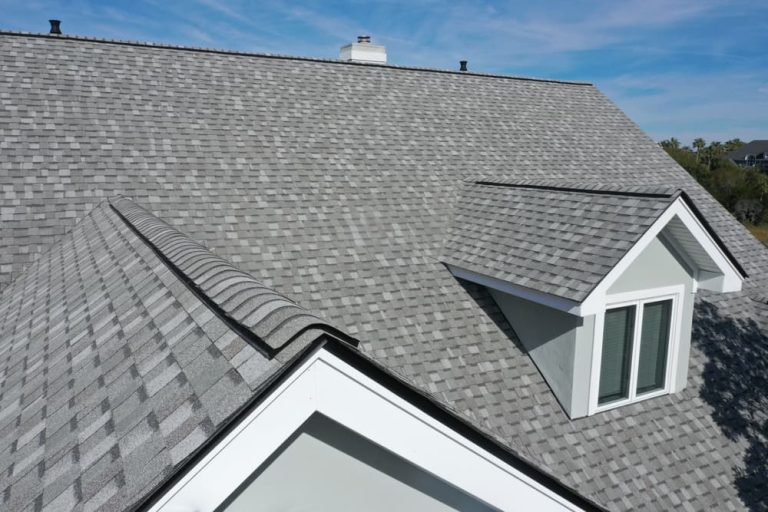
Asphalt Shingle Roofing
Asphalt shingles are the most popular roofing choice in North Carolina for good reason. They offer an excellent balance of affordability, performance, and aesthetic versatility.
- Three-tab shingles: The most economical option at $4-6 per square foot installed. These basic shingles work well for budget-conscious homeowners and typically last 15-20 years in North Carolina’s climate. For a 2,000-square-foot roof, expect to invest $8,000-12,000.
- Architectural/dimensional shingles: These upgraded products cost $5-8 per square foot installed. They provide enhanced curb appeal with a textured, layered appearance and offer better wind resistance. Most North Carolina homeowners choose this option, spending $10,000-16,000 for an average-sized home.
- Designer/luxury shingles: Premium asphalt products that mimic slate or wood shake cost $7-12 per square foot installed. These high-end shingles can last 30-50 years and significantly boost your home’s appearance. Budget $14,000-24,000 for a standard roof.
Asphalt roof replacement cost includes tear-off of existing materials, proper underlayment installation, ice and water shield in valleys and along eaves, and manufacturer-specified ventilation components.
Metal Roofing
Metal roofs continue gaining popularity in North Carolina due to their longevity and energy efficiency. The metal roof costs that North Carolina homeowners face reflect the material’s superior performance characteristics.
Metal roof cost pricing:
- Standing seam metal—This premium option costs $10-16 per square foot installed. Standing seam roofs offer sleek, modern aesthetics with concealed fasteners that enhance weather resistance. A 2,000-square-foot installation runs $20,000-32,000.
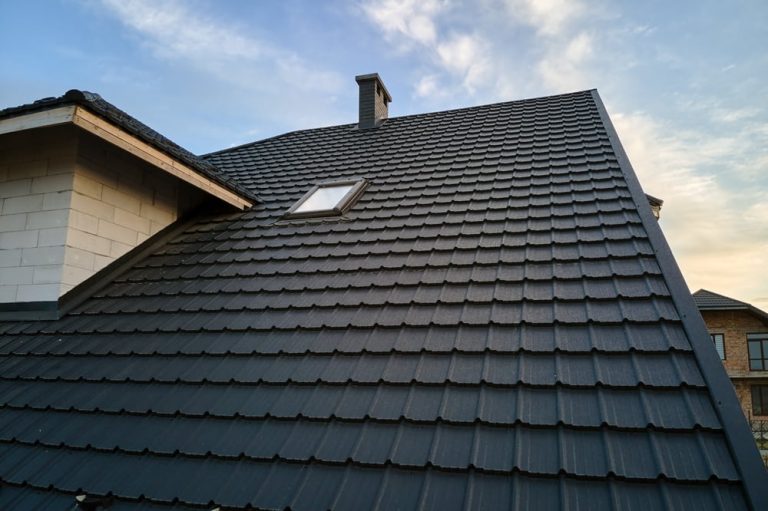
- Metal shingles or tile shapes—These products mimic traditional roofing materials while providing metal’s benefits. Expect to pay $8-14 per square foot installed or $16,000-28,000 for an average home.
- Corrugated metal or ribbed metal panels (R-panels)—The most economical metal option costs $6-10 per square foot installed. Often used on agricultural buildings, these profiles also work well for certain home styles. Total investment runs $12,000-20,000.
Metal roofing lasts 40-70 years in North Carolina, making it a solid long-term investment despite higher upfront costs. Energy savings from reflective coatings can also reduce cooling costs by 10-25% in our hot, humid summers.
Other Roofing Material Options
Beyond asphalt and metal, North Carolina homeowners have several premium alternatives worth considering, depending on your home’s style, structural capacity, and long-term budget.
Premium material costs:
- Clay or concrete tiles—Popular in certain North Carolina neighborhoods, tile roofing costs $10-18 per square foot installed. However, these beautiful, long-lasting roofs often require structural reinforcement, adding to installation complexity. Total costs run $20,000-36,000 for typical homes.
- Synthetic slate—Engineered products that replicate slate’s appearance without the weight cost $9-14 per square foot installed. These materials offer excellent durability and can last 50 years or more. Expect to invest $18,000-28,000 for a standard, synthetic slate roof.
- Cedar shake or shingles—While less common due to fire concerns and maintenance requirements, cedar shake costs $8-12 per square foot installed where local codes permit. These natural roofs create stunning visual appeal, but require regular maintenance in North Carolina’s humid climate.
How Roof Size and Pitch Affect Your Bottom Line
Beyond material selection, your home’s specific characteristics significantly impact the final roof replacement cost.
Understanding Roof Measurements
Roofing contractors measure your roof’s square footage differently than your home’s living space. A 2,000-square-foot home could have 2,400 square feet of actual roof surface due to pitch and architectural features.
Your roof’s pitch (i.e., slope) creates a multiplier effect. A 4/12 pitch (i.e., rising 4 inches for every 12 inches of horizontal run) adds about 5% to the base square footage. A steeper 8/12 pitch increases the area by approximately 20%.
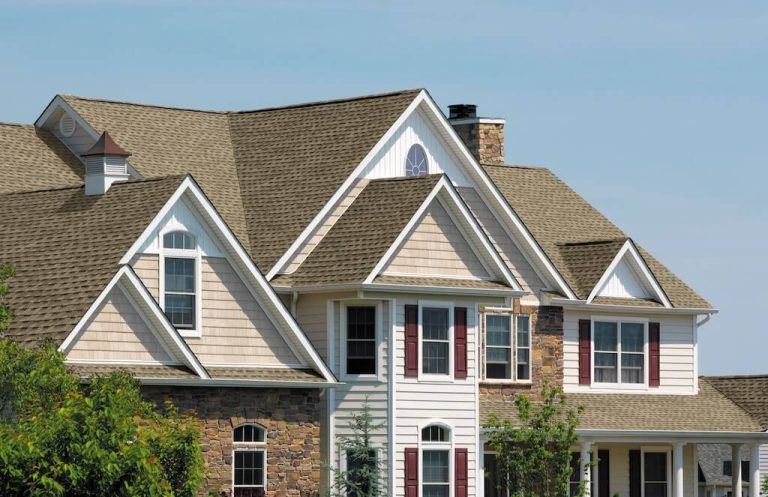
Dormers, valleys, hips, and complex architectural details add even more surface area and installation complexity. Each valley requires careful waterproofing, and multiple roof planes demand additional flashing and time.
Pitch and Complexity Premiums
Roof pitch refers to the steepness of your roof, expressed as a ratio (i.e., rise over run). For example, 6:12 means 6 inches of rise for every 12 inches of horizontal run.
The steeper and more complex your roofline, the more time and skill your installation requires, which directly translates into higher labor costs on your final invoice.
- Low pitch (2:12 to 4:12)—These roofs are easier to work on from a safety standpoint, but often require specialized underlayment systems to prevent water infiltration. Labor rates are moderate, but material requirements may increase the cost.
- Standard pitch (5:12 to 7:12)—Most North Carolina homes fall into this range. These roofs present no unusual challenges and represent the baseline for cost estimates.
- Steep pitch (8:12 to 12:12)—Roofs exceeding an 8/12 pitch require additional safety equipment and progress more slowly due to working conditions. Expect labor costs to increase 10-20% compared to standard pitches.
- Multistory and complex designs—Two-story homes or those with numerous angles, dormers, and roof penetrations (i.e., every place where something passes through the roof surface) can add 15-30% to labor costs. The increased complexity requires more precision cutting, additional flashing work, and careful coordination of multiple roof planes.
Accessibility Considerations
Contractors also factor in how easily they can access your roof and property. Homes surrounded by mature trees, tight neighborhood lots, or difficult terrain may see slight cost increases for equipment positioning and material delivery.
Labor Costs: What You’re Paying For
Labor is one of the largest line items in any roofing estimate. Understanding what goes into that cost helps you to evaluate quotes with confidence and recognize the true value of skilled installation.
Current Labor Rates in North Carolina
Roofing crews in our state charge $45-75 per hour per worker in 2026, with rates varying by region and contractor experience. A standard crew of four workers can tear off and replace an average asphalt shingle roof in 2-3 days under good weather conditions.
This translates to approximately $2-5 per square foot for labor on standard asphalt shingle installations. More complex materials like tile or metal or challenging roof configurations can push labor costs to $4-8 per square foot.
Charlotte metro area contractors often charge at the higher end due to increased demand and cost of living. Raleigh and the Triangle area see similar premium pricing. In contrast, contractors in smaller areas like Asheville, Wilmington, or Greenville may offer more competitive labor rates.
What’s Included in Professional Labor
Quality roofing labor encompasses far more than simply nailing down shingles, and knowing what your crew handles from start to finish helps you to appreciate the full scope of a properly executed installation.
- Tear-off and disposal—Removing existing roofing materials safely and properly disposing of them requires significant labor. This phase usually takes one full day for an average home and involves careful protection of your landscaping and property.
- Deck inspection and repair—Professional crews inspect every inch of your roof decking as they remove old materials. They identify and replace damaged sheathing to ensure a solid foundation for your new roof.
- Proper installation techniques—Experienced roofers follow manufacturer specifications precisely to maintain warranty coverage. This includes correct nail placement, appropriate overlap of materials, proper flashing installation around chimneys and vents, and adequate ventilation.
- Safety measures—Legitimate contractors invest heavily in safety equipment like harnesses, safety lines, and scaffolding as well as thorough training and proper insurance coverage, protecting both workers and your property.
Storm Damage in North Carolina
The “Tar Hill state” experiences a wide range of weather conditions including hot, humid summers with frequent thunderstorms, damaging straight-line winds, hailstorms, and occasional tornadoes. Also, tropical storms and hurricanes occur yearly along the coast as well as heavy rainfall and periodic winter snow and ice, especially in the mountains and northern parts of the state.
Damage that warrants roof replacement includes:
- Wind damage—High winds from severe thunderstorms (at times exceeding 50-70 miles per hour), nor’easters, or tropical systems can lift, crack, or tear shingles.
- Hail damage—Impact from hail creates bruising, granule loss, and punctures in asphalt shingles or denting in metal roofing. Even if damage isn’t immediately visible, hail can compromise your roof’s integrity and warrant replacement.
- Tree damage—During storms, trees or large branches may fall on your roof, necessitating roof repairs or replacement.
- Tropical storm damage—Coastal and eastern North Carolina face tropical weather risks: wind uplift, wind-driven rain intrusion, flying debris impact, and prolonged moisture exposure that accelerates roof deterioration.
North Carolina’s weather patterns reinforce the value of planning ahead for roof replacement as your roof gets older.
Real-World Cost Examples Across North Carolina
Seeing actual project numbers will help you to gauge what to expect for your specific situation. These examples reflect typical 2026 scenarios across our state.
Example 1: Basic Asphalt Shingle Replacement in Greensboro Suburbs
This scenario represents the most common roof replacement situation in North Carolina: a midsized suburban home with a straightforward design and no major structural complications.
Property details:
- Location: Suburbs of Greensboro
- Size: 1,800 square feet (2,100 square feet of roof surface)
- Pitch: 6/12
- Material: Architectural asphalt shingles
- Condition: One layer of existing shingles, sound deckingr
Cost breakdown:
- Materials (i.e., shingles, underlayment, flashing): $4,200
- Labor (i.e., tear-off, installation): $5,100
- Permits and disposal: $700
- Total project cost: $10,000
This homeowner chose mid-grade architectural shingles with a 30-year warranty. The straightforward roof design and single-story configuration kept labor costs in the moderate range.
Example 2: Metal Roof Upgrade in Charlotte Metro Area
This example illustrates what homeowners can expect when trading up to a premium material that demands higher upfront investment, but delivers decades of superior performance.
Property details:
- Location: Charlotte metro area
- Size: 2,400 square feet (2,900 square feet of roof surface)
- Pitch: 7/12
- Material: Standing seam metal roofing
- Condition: Replacing aging asphalt shingles
Project specifications:
- Materials (i.e., metal panels, trim, fasteners): $11,600
- Labor (i.e., tear-off, installation): $10,500
- Additional structural support: $1,400
- Permits and disposal: $900
- Total project cost: $24,400
This homeowner invested in premium metal roofing for its longevity and energy efficiency. Higher material costs and specialized installation drove the total investment upward.
Example 3: Complex Architecture Premium Replacement in Asheville
This example demonstrates how a home’s architectural complexity can significantly drive up costs even when the material choice itself isn’t the most expensive option available.
Property details:
- Location: Asheville area
- Size: 3,200 square feet (4,100 square feet of roof surface)
- Pitch: Varies (6/12 to 10/12)
- Material: Designer architectural shingles
- Condition: Multiple dormers, valleys, and roof planes
Project specifications:
- Materials (i.e., premium shingles, enhanced underlayment): $9,800
- Labor (i.e., complex installation): $11,700
- Decking repairs: $2,200
- Permits and disposal: $1,100
- Total project cost: $24,800
The home’s architectural complexity added significant labor time. Multiple roof transitions required extensive flashing work and precision cutting, increasing both material waste and installation hours.
Hidden Costs and Potential Add-Ons
Even the most carefully prepared estimate can grow once work begins so building in a contingency budget for these commonly overlooked expenses will help you to avoid unwelcome surprises.
Structural and Decking Repairs
You won’t know the full extent of decking damage until old roofing comes off. Expect to pay $50-$85 per sheet for plywood or oriented strand board (OSB) replacement plus $30-$50 per sheet for labor.
Water-damaged decking around chimneys, valleys, or vents is common in roofs nearing replacement age. You should budget an additional $500-$2,000 as a contingency for these repairs.
Enhanced Underlayment Systems
Basic felt underlayment comes standard, but upgraded synthetic underlayment offers superior protection. These products cost $0.25-0.75 per square foot more, but provide better waterproofing and longer lifespan.
Ice and water shield (a self-adhering membrane) should be installed in valleys, around penetrations, and along eaves. Code requirements in North Carolina vary, but best practices suggest generous use at $2-3 per square foot.
Ventilation Improvements
Proper attic ventilation extends roof life and improves energy efficiency. Ridge vents, soffit vents, and gable vents work together to move air through your attic space.
Adding or upgrading ventilation costs $300-$1,200, depending on your home’s size and current system. This investment pays dividends through reduced cooling costs and longer shingle life.
Chimney and Skylight Work
Chimneys often need repointing with fresh mortar, new flashing, or cap replacement during roof projects. These additions run $500-$2,000 per chimney.
Skylight replacement or reflashing adds $400-1,200 per unit. If your skylights are 15-plus years old, consider replacement during your roof project to avoid future leak risks.
Gutter Replacement or Repair
Since scaffolding and equipment are already in place, roof replacement presents an ideal time for gutter work. New gutters cost $6-12 per linear foot installed while repairs run $150-500.
Permits and Inspection Fees
Most North Carolina municipalities require permits for roof replacement. Fees typically range from $150 to $400 depending on project size and location. Your contractor should handle permit acquisition and include these costs in their proposal.
Getting the Best Value for Your Investment
A roof replacement is too significant a purchase to approach casually, and the homeowners who do best are those who take time to compare options, ask the right questions, and understand exactly what they’re buying.
Obtaining and Comparing Quotes
Red flags to watch for:
- Quotes significantly lower than others (20% or more)
- Contractors asking for large upfront deposits
- Pressure tactics or “today only” special pricing
- Unwillingness to provide references or proof of contractor insurance
- Vague or incomplete written proposals
Questions to ask:
- How long have you operated in North Carolina?
- Can you provide recent customer references?
- What warranties cover materials and workmanship?
- How do you handle unexpected damage discovered during tear-off?
- What’s your typical project timeline?
- Who’ll supervise the daily work?
Timing Your Project Strategically
Roof replacement timing can affect both cost and contractor availability. Spring and fall represent peak seasons when demand and prices both run high.
Late winter and early summer often offer better contractor availability and potentially lower prices. Contractors eager to keep crews working may negotiate rates during slower periods.
Weather considerations matter, too. Avoid scheduling during North Carolina’s wettest months (July and August) when afternoon thunderstorms regularly interrupt work.
Financing Options
Many homeowners finance roof replacements to make premium materials accessible while spreading costs over manageable monthly payments.
For major investments like metal roofing, financing can make the difference between settling for basic materials abd investing in superior long-term performance.
Regional Considerations Across North Carolina
Our state’s geographic and climate diversity creates distinct roofing considerations for homeowners.
Coastal North Carolina Areas
Homeowners in Wilmington, Outer Banks, and coastal counties face unique challenges. Salt air accelerates corrosion on metal components, making stainless steel or copper flashing essential. Wind uplift ratings become critical; choose shingles rated for high wind speeds (110+ mph or greater).
Hurricane-prone areas may face stricter building codes. Expect enhanced fastening requirements and possibly additional underlayment specifications that add to installation costs.
Mountain Regions
Western North Carolina including Asheville experiences more dramatic temperature swings and higher snow loads. Ice and water shield installation becomes more extensive, covering larger portions of the roof to prevent ice dam damage.
Steeper roof pitches common in mountain architecture increase labor complexity and costs. Enhanced ventilation helps to combat moisture issues from the region’s higher precipitation levels.
Piedmont and Urban Centers
The Charlotte, Raleigh, Durham, and Greensboro metro areas see competitive contractor markets with varied pricing. Urban and suburban locations offer convenient material delivery and waste disposal, but may face access challenges in established neighborhoods with mature landscaping.
Heat island effects in developed areas slightly accelerate roof aging. Reflective roofing options such as cool-colored shingles or metal roofing can mitigate these effects while reducing cooling costs.
Choosing the Right Contractor for Your Roof
Your contractor selection impacts both project quality and overall experience. North Carolina’s competitive roofing industry offers many options, making due diligence essential.
Licensing and Insurance Verification
All roofing contractors in North Carolina are supposed to carry general liability insurance (minimum $1 million coverage) and workers’ compensation insurance. Homeowners should request to see contractors’ certificates of insurance and verify coverage directly with insurance companies.
Our state requires contractors performing work over $30,000 to hold a general contractor’s license. Smaller projects (i.e., less than $30,000) aren’t subject to state licensing, making a contractor’s reputation and local references even more important.
Evaluating Roofing Contractor Reputation
Check online reviews across multiple platforms such as Google, Yelp, Better Business Bureau (BBB), and Angi’s List. Look for patterns in feedback rather than focusing on single reviews.
Ask contractors for references from projects completed in the past year. Contact these homeowners to ask about communication, workmanship quality, cleanup, and how the contractor handled any issues.
Local contractors with established businesses provide accountability. Companies that have operated in your area for 10-plus years have reputations to protect.
Understanding the Contract
Never proceed without a detailed, written contract specifying all roofing project aspects. Your agreement should include:
- Detailed material specifications (e.g., brand, style, color, grade)
- Complete scope of work including tear-off, installation, cleanup
- Project timeline with estimated start and completion dates
- Total cost breakdown showing materials, labor, and other charges
- Payment schedule tied to project milestones
- Warranty terms for materials and workmanship
- Permit responsibility and costs
- Damage liability and contractor’s insurance information
Be sure to carefully review contracts before signing. And don’t hesitate to ask questions or request changes to terms that aren’t clear.
Sources of information:
- Angi: How Much Does Roof Replacement Cost? [2026 Data]
- Consumer Reports: Roofing Buying Guide
- Fixr: How Much Does a Roof Replacement Cost? [2026 Data]
- Forbes: How Much Does Roof Replacement Cost?
- HomeAdvisor: How Much Does Roof Replacement Cost in 2025?
Frequently Asked Questions (FAQ) about Roof Replacement Cost in North Carolina
Here are answers to the most common questions that North Carolina homeowners ask about the cost of replacing a roof.
How long does roof replacement take?
Most residential roof replacements in North Carolina take 2-4 days from start to completion. A straightforward asphalt shingle replacement on a single-story home could be done in two days as long as there’s good weather. Complex projects involving multiple stories, steep pitches, or premium materials could extend roof replacement to a week or more. Weather delays can affect any timeline as contractors can’t usually work during rain or high winds.
Can I install a new roof over my existing shingles?
Building codes in most North Carolina jurisdictions allow one layer of new shingles over existing asphalt shingles, but this approach is rarely recommended. Overlay installation prevents inspection and repair of decking, adds weight to your roof structure, may void manufacturer warranties, and provides a less durable result. Complete tear-off and replacement costs more initially, but delivers better long-term value.
How often should I replace my roof in North Carolina?
Asphalt shingle roofs typically last 20-30 years in North Carolina, depending on quality, installation, and maintenance. Metal roofs can last 40-70 years. Signs that you need replacement include widespread shingle damage, multiple leaks, excessive granule loss, sagging areas, or roof age exceeding 20 years. Regular inspections will help you plan replacement proactively rather than reactively.
Will a new roof increase my home’s value?
Roof replacement recovers approximately 60-70% of its cost in increased home value according to remodeling cost-versus-value studies. More importantly, a new roof makes your home marketable. In fact, many buyers won’t consider purchasing homes needing immediate roof replacement. Roof improvement also enhances curb appeal and provides peace of mind to potential purchasers.
Do I need to be home during roof replacement?
You don’t need to be present throughout installation, but someone should be available for the initial walkthrough and final inspection. Contractors need access to electrical outlets for tools and may have occasional questions during the project. Expect significant noise during tear-off and installation phases. You should consider arranging alternative accommodations for pets, young children, or anyone sensitive to noise or disruption.
What’s the best time of year for roof replacement in North Carolina?
Fall (September through November) and spring (March through May) offer optimal conditions with moderate temperatures and lower rainfall probability. However, professional contractors work year-round. Winter projects are viable during dry periods and may offer better pricing. Summer brings heat challenges for workers, but provides long daylight hours. Avoid scheduling during peak hurricane season (August through October) in coastal regions.
How do I know if I just need repairs or a full roof replacement?
Minor issues like a few missing shingles or isolated leaks often need only repairs costing $300-1,500. Full replacement becomes necessary when damage is widespread (affecting 25% or more of the roof), when the roof exceeds its expected lifespan, when multiple leaks appear, or when decking shows significant deterioration. A professional inspection can provide an honest assessment.
Are metal roofs worth the extra cost?
Metal roofs cost 50-100% more than asphalt shingles initially, but last twice as long or more. They offer superior wind and hail resistance, reduce cooling costs through reflective properties, require minimal maintenance, and many are made from recycled materials. For homeowners planning to stay in their homes long-term, metal roofs provide excellent value despite higher upfront investment.
Take the Next Step Toward Your New Roof
Roof replacement represents a significant investment that protects your most valuable asset. Understanding the factors affecting roof replacement cost in North Carolina empowers you to make informed choices aligned with your budget and goals.
Start by getting multiple detailed estimates from reputable local contractors. Compare costs, material quality, warranty coverage, and each company’s reputation and experience.
Consider your long-term plans for your home. If you plan to live there for many years, investing in premium materials makes financial sense. For shorter timelines, mid-range options may provide a better return on investment (ROI).
Don’t let a failing roof compromise your home’s integrity. Water damage from roof leaks compounds quickly, affecting insulation, ceilings, walls, and even foundation stability. Proactive replacement costs less than emergency repairs plus interior damage restoration.
For Charlotte, Raleigh, and other Triangle area homeowners, explore your options by consulting with established local contractors who understand regional building requirements and weather challenges specific to North Carolina.
Ready to get started? Our experienced team at Pinnacle Home Improvements can provide you with a free, detailed roof inspection and estimate. We serve homeowners throughout North Carolina. Whether you’re considering asphalt shingles, metal roofing, or premium materials, we’ll help you to select the right solution for your home, budget, and long-term goals.
Request an appointment today, and let’s meet to discuss your specific needs, explore material options, and create a customized plan that fits your budget and timeline.