









Wondering if your roof replacement budget is realistic for Georgia’s climate and market conditions?
Between severe summer storms, occasional winter ice, and the relentless Georgia sun beating down on your shingles, your roof takes a beating year-round. When it’s time for a replacement, understanding the true cost helps you plan wisely and avoid surprises.
This comprehensive guide breaks down everything Georgia homeowners need to know about roof replacement costs in 2026, from material choices to labor rates and real-world pricing examples across our state.
Key Takeaways
Average roof replacement cost in Georgia ranges from $5,500 to $28,000—Most homeowners pay around $12,000 for a standard asphalt shingle roof on a 2,000-square-foot home.
Material choice dramatically impacts pricing—Asphalt shingles cost $3.50-5.50 per square foot installed, while metal roofing runs $7-14 per square foot, and premium materials like slate can exceed $20 per square foot.
Roof size and pitch are primary cost drivers—A 1,500-square-foot roof costs significantly less than a 3,000-square-foot roof, and steeper pitches require more labor and safety equipment, increasing costs by 10-25%.
Labor accounts for 40-60% of total costs—In Georgia, rates vary from $75-95 per hour in metro Atlanta to $55-75 per hour in rural areas.
Understanding Average Roof Replacement Cost in Georgia
Roof replacement cost in “the Peach state” varies widely based on several factors, but having baseline numbers helps you budget effectively.
For a typical single-family home with approximately 2,000 square feet of roof area, expect to invest between $8,000 and $15,000 for a complete asphalt shingle replacement. This represents the most common scenario across Georgia.
These ranges account for standard architectural shingles, average roof pitch, basic removal of one existing layer, and typical labor rates across Georgia markets.
The new roof cost Georgia homeowners actually pay depends heavily on location within the state. Metro Atlanta areas including Alpharetta, Decatur, and Dunwoody see prices run 15-25% higher than rural Georgia due to increased labor costs, permitting fees, and demand.
Material-Specific Pricing: What You’ll Pay for Different Roof Types
Your material choice creates the biggest swing in final costs. Here’s what Georgia homeowners pay for popular roofing materials in 2026.
Asphalt Shingle Roofing
Asphalt shingles remain the most popular choice across Georgia, offering excellent value and reliable performance.
Asphalt roof replacement cost breakdown:
- 3-tab shingles: $3.50-4.50 per square foot installed
- Architectural/dimensional shingles: $4-5.50 per square foot installed
- Premium designer shingles: $5.50-7.50 per square foot installed
For that 2,000-square-foot roof, you’re looking at $7,000-11,000 for architectural shingles, which most contractors recommend for Georgia’s climate. These shingles typically carry 25-30-year warranties and handle humidity, heat, and storm conditions well.
Homeowners in Conyers, Covington, and McDonough frequently choose architectural shingles for their balance of durability and affordability.
Metal Roofing
Metal roofs have surged in popularity across Georgia thanks to superior durability, energy efficiency, and longevity.
Metal roof cost pricing:
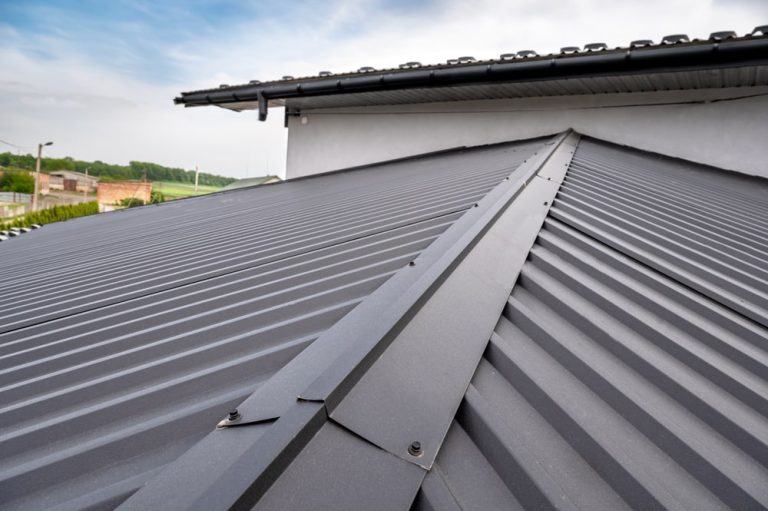
- Standing seam metal: $9-14 per square foot installed
- Metal shingles/tiles: $8-12 per square foot installed
- Corrugated metal panels: $7-10 per square foot installed
A 2,000-square-foot metal roof installation typically runs $14,000-24,000. While the upfront cost exceeds asphalt, metal roofs last 40-70 years and reduce cooling costs by 10-25% in Georgia’s hot summers.
Premium Roofing Materials
For homeowners seeking maximum curb appeal and longevity, premium materials deliver exceptional results at higher price points.
Premium material costs:
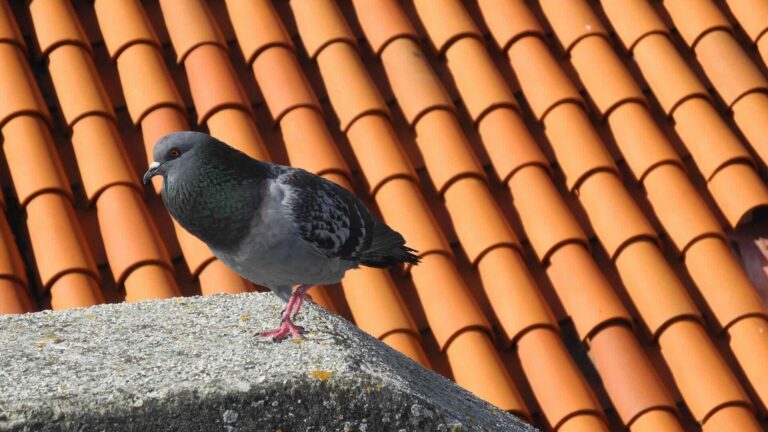
- Clay/concrete tiles: $10-18 per square foot installed
- Natural slate: $15-25 per square foot installed
- Cedar shake/shingles: $8-14 per square foot installed
- Synthetic slate/shake: $9-15 per square foot installed
These materials shine in historic neighborhoods and upscale communities throughout Georgia, particularly in areas like Savannah, Athens, and Atlanta’s Druid Hills.
Need help choosing the right material? Check out our roofing materials guide for detailed comparisons of performance, aesthetics, and value.
How Roof Size and Pitch Impact Your Investment
Roof size and pitch play a major role in determining the cost of a new roof.
Square Footage Calculations
Roofing contractors measure in “squares,” where one square equals 100 square feet. Your home’s square footage doesn’t directly translate to roof square footage due to pitch, overhangs, and architectural features.
A 2,000-square-foot home typically has 2,200-2,400 square feet of actual roof area once you account for pitch and overhangs.
Cost scaling by roof area:
- Simple gable or hip roofs cost less per square foot than complicated multiplane designs
- Adding 500 square feet to your roof increases total costs by $1,750-2,750 (asphalt)
- Complex roof designs with multiple valleys, dormers, or turrets add 15-30% to labor costs
Roof Pitch Considerations
Pitch refers to your roof’s steepness, expressed as a ratio (like 6:12, meaning 6 inches of rise for every 12 inches of horizontal run).
How pitch affects pricing:
- Low-slope roofs (2:12 to 4:12)—Standard pricing, easier access
- Moderate-slope roofs (5:12 to 7:12)—Add 0-10% for slightly increased labor
- Steep-slope roofs (8:12 to 12:12)—Add 10-25% for safety equipment and specialized labor
- Very steep roofs (12:12+)—Add 25-40% due to difficulty and safety requirements
Georgia homes commonly feature moderate pitches (5:12 to 7:12) that balance water drainage with reasonable installation costs.
Labor Costs: What Georgia Contractors Charge
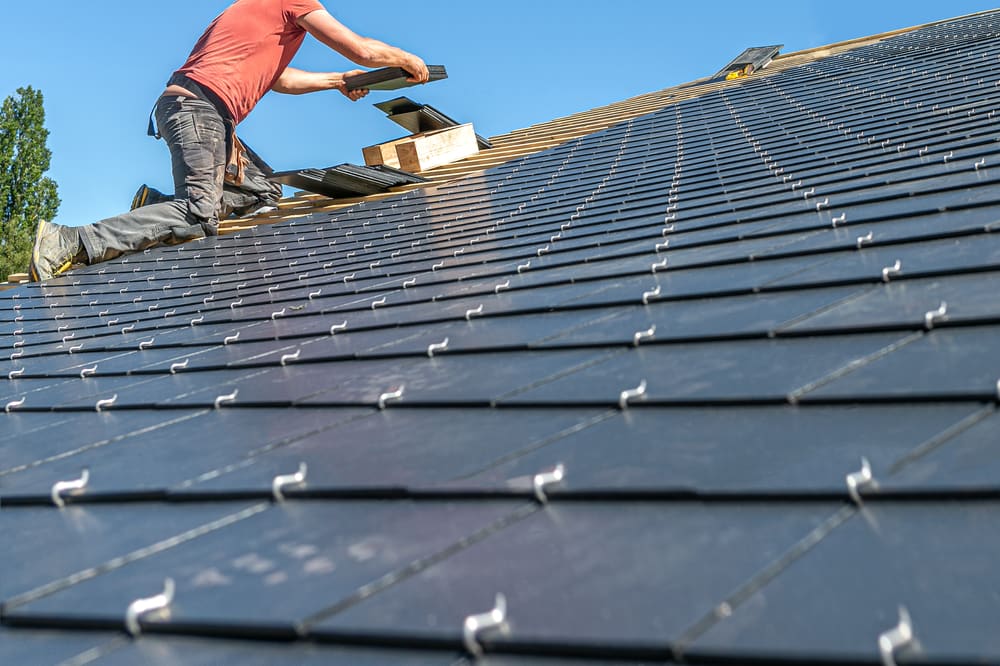
Labor represents 40-60% of your total roof replacement cost in Georgia, making it essential to understand regional variations.
Regional Labor Rate Variations
Georgia’s diverse markets create notable pricing differences across the state.
In Metro Atlanta and surrounding areas such as Alpharetta, Snellville, Stone Mountain, and Douglasville:
- Hourly rates: $75-95 per hour
- Crew day rates: $2,400-3,200
- Typical project duration: 2-4 days for the average home
In mid-size cities like Augusta, Macon, Columbus, Savannah:
- Hourly rates: $65-80 per hour
- Crew day rates: $2,000-2,600
- Typical project duration: 2-4 days
In suburban and satellite markets such as Stockbridge, Hampton, Riverdale, Jonesboro, Lithonia:
- Hourly rates: $60-80 per hour
- Crew day rates: $1,800-2,400
- Typical project duration: 2-4 days
In rural and smaller markets:
- Hourly rates: $55-75 per hour
- Crew day rates: $1,600-2,200
- Typical project duration: 2-3 days
What Labor Includes
Professional roofing labor covers more than just installing shingles. Your labor costs typically include:
- Complete tear-off and disposal of existing roofing materials
- Deck inspection and minor repairs (with major repairs quoted separately)
- Ice and water barrier installation in valleys and eaves
- Underlayment installation across entire roof deck
- Drip edge, flashing, and ventilation installation
- New roofing material installation
- Ridge cap installation and finishing
- Cleanup and debris removal
- Workmanship warranty (typically 1-10 years)
Quality contractors invest in skilled crews, proper safety equipment, and continuing education, which justifies higher labor rates and delivers better long-term value.
Storm Damage in Georgia
The Peach state experiences a wide range of severe weather including intense summer thunderstorms, damaging straight-line winds, hailstorms, occasional tornadoes, tropical systems along the coast, heavy rainfall, and periodic winter ice events in northern areas. After a major weather event, a qualified roofing contractor can inspect your roof, assess the extent of the damage, and determine whether repairs are sufficient or if full replacement is necessary.
Types of Storm Damage
Damage that warrants roof replacement includes:
- Wind damage from severe thunderstorms or tornadoes
- Hail damage, which is common in North Georgia during spring and summer
- Falling trees or large branches during storms
- Fire, lightning strikes, or other sudden catastrophic events
In many cases, a professional inspection helps to clarify whether localized repairs can restore performance or if the damage is widespread enough to justify replacing the entire roof.
Real-World Cost Examples from Georgia Homeowners
Let’s examine specific scenarios that Georgia homeowners encounter when replacing roofs.
Example 1: Suburban Decatur Ranch Home
This standard replacement example showcases typical costs for a moderate-sized home with straightforward architecture.
Property details:
- 1,800 square-foot ranch in Decatur
- 2,100 square-foot roof area
- 6:12 pitch
- One existing asphalt layer
Project specifications:
- GAF Timberline HDZ architectural shingles
- Complete tear-off and disposal
- New underlayment and ice barrier
- Ridge vent installation
- Standard flashing replacement
Total cost: $11,200
- Materials: $4,500
- Labor: $5,800
- Permits/disposal: $900
Example 2: North Georgia Mountain Home
Mountain properties often feature complex designs and steeper pitches that increase labor requirements significantly.
Property details:
- 2,400 square-foot cabin in Blue Ridge
- 3,200 square-foot roof area (complex design)
- 8:12 pitch with multiple dormers
- Two existing layers requiring removal
Project specifications:
- Standing seam metal roof
- Complete tear-off (extra labor for two layers)
- New decking in damaged sections ($800)
- Premium underlayment
- Custom flashing for dormers
Total cost: $38,400
- Materials: $19,200
- Labor: $16,800
- Decking/extras: $2,400
Example 3: Historic Savannah Home
Historic properties require specialized contractors and premium materials to maintain architectural integrity and meet preservation requirements.
Property details:
- 2,600 square-foot Victorian in historic district
- 3,000 square-foot roof area
- Multiple turrets and complex geometry
- Clay tile replacement required by historic commission
Project specifications:
- Clay tile matching existing style
- Specialized historic preservation contractor
- Complete tear-off with deck inspection
- Custom copper flashing and details
- Historic district permits
Total cost: $45,000
- Materials: $24,000
- Labor: $18,000
- Permits/historic compliance: $3,000
Additional Costs to Consider
Beyond basic material and labor, several factors can increase your roof replacement cost in Georgia.
Structural Repairs and Decking
Roofing contractors often discover deck damage during tear-off that requires addressing before new material installation.
Common decking issues consist of:
- Rotted plywood/OSB from leak damage: $50-75 per sheet replaced
- Sagging rafters requiring sister joists: $200-500 per area
- Inadequate ventilation causing deck deterioration: $500-2,000 for ventilation upgrades
You should budget an additional 5-10% contingency for unexpected deck repairs on roofs that are more than 15 years old.
Permits and Inspections
Most Georgia jurisdictions require building permits for roof replacement.
Typical permit costs vary:
- Metro Atlanta (e.g., Atlanta, Alpharetta, Decatur): $150-400
- Suburban areas (e.g., Stockbridge, Snellville, Conyers): $100-250
- Mid-size cities: $100-250
- Rural counties: $75-150
Permits protect your investment by ensuring that work meets building codes. Reputable contractors handle permitting and include costs in their quotes.
Specialized Features and Upgrades
Enhanced components improve performance and longevity, but add to initial costs.
Popular upgrades comprise:
- Synthetic underlayment (vs. felt): add $200-600
- Ice and water barrier (full coverage): add $400-800
- Ridge vents (new installation): $4-8 per linear foot
- Architectural features (e.g., cupolas, skylights): $500-3,000 each
- Gutter replacement: $4-12 per linear foot
- Zinc strips for algae prevention: $2-4 per linear foot
Accessibility and Logistics
If your property has limited access or layout challenges, installation may take longer and cost more.
Factors that add costs include:
- Limited truck access requiring hand-hauling materials (10-20% increase)
- Multistory homes requiring additional staging (5-15% increase)
- Extensive landscaping requiring extra protection (5-10% increase)
- Tight timeframes or rush scheduling (10-25% premium)
Cost-Saving Strategies for Georgia Homeowners
Smart planning helps you to maximize value without compromising quality.
Timing Your Replacement
Seasonal variations create opportunities for savings.
Best times to replace your Georgia roof:
- Late fall (October-November)—Contractors often offer discounts before winter slowdown, and weather tends to be cooperative
- Early spring (March-April)—Prestorm season rates before summer demand peaks
Try to avoid the summer peak season (May through August) because it brings the highest demand as well as the highest prices.
Getting Multiple Competitive Quotes
Always obtain at least three detailed quotes from licensed, insured contractors.
What to request that contractors include in their quotes:
- Itemized material specifications with brand names
- Detailed labor breakdown
- Warranty information (materials and workmanship)
- Project timeline and payment schedule
- Permit and disposal costs
- References from recent local projects
Be sure to compare quotes on total value, not just price. The lowest bid often indicates cut corners or inexperienced crews.
Financing Options
Many Georgia homeowners finance roof replacements to make premium materials accessible while spreading costs over manageable monthly payments.
For major investments like metal roofing, financing can make the difference between settling for basic materials or investing in superior long-term performance.
Regional Considerations Across Georgia Markets
Georgia’s diverse geography creates unique roofing considerations across different regions.
Metro Atlanta
Our state’s largest metro area features a broad pool of roofing contractors and competitive pricing. Expect higher labor rates, but excellent contractor selection.
Storm activity from severe thunderstorms necessitates impact-resistant shingles in many neighborhoods. Homeowner association (HOA) requirements in many suburbs may dictate specific materials or colors.
Suburban Atlanta Markets
Communities like Alpharetta, Snellville, Stone Mountain, Douglasville, Stockbridge, Hampton, Riverdale, Jonesboro, and Lithonia offer a good balance of pricing and contractor availability.
These areas typically see moderate pricing between Atlanta’s premium rates and rural costs. Strong contractor competition creates opportunities for competitive quotes. Many neighborhoods have HOA requirements that affect material and color choices.
Eastern Suburbs
Conyers and Covington provide access to both metro Atlanta and regional contractors.
This creates competitive pricing environments in which homeowners benefit from multiple contractor options. Travel distances from Atlanta may add slight premiums compared to closer suburbs, but rates remain reasonable.
Coastal Georgia
Savannah, Brunswick, and coastal communities face unique challenges from salt air, hurricanes, and high humidity.
Metal roofing performs exceptionally well in coastal environments, resisting salt corrosion and high winds. However, building codes require higher wind ratings (130+ mph in some zones). Historic district regulations may mandate specific materials or installation methods that increase costs.
North Georgia Mountains
Blue Ridge, Dahlonega, and mountain communities experience different weather patterns than the rest of Georgia.
Metal roofs excel in shedding snow and ice while ably handling the region’s hail exposure. However, the steep pitches that are common in mountain architecture increase labor costs 15-25%. Also, limited contractor access during winter months can extend project timelines.
South Georgia
Albany, Valdosta, and South Georgia areas typically offer the state’s most competitive pricing.
Lower labor rates and reduced demand create savings opportunities. However, fewer contractors means less competition so obtaining multiple quotes is essential. Tornado activity makes impact resistance important in these areas.
Middle Georgia
Macon, Warner Robins, and Central Georgia offer balanced market conditions.
Moderate labor rates fall between Atlanta’s premium and rural areas’ lower costs. Military installations around Warner Robins create steady contractor demand year-round. Access to both Atlanta and coastal contractors provides healthy competition.
Selecting the Right Contractor: Investment Protection
Your contractor choice impacts both immediate costs and long-term satisfaction.
Contractor’s Licensing and Insurance Verification
Georgia requires roofing contractors to maintain proper credentials.
Essential verifications include:
- Current Georgia contractor’s license
- General liability insurance ($1-2 million coverage recommended)
- Workers’ compensation insurance
- Better Business Bureau (BBB) rating and complaint history
- Local references from projects completed within the past year
Never work with unlicensed contractors regardless of price savings. Georgia law provides limited recourse when unlicensed contractors perform defective work.
Red Flags to Avoid
Watch for warning signs during contractor selection.
Avoid contractors who:
- Request large upfront deposits (over 30%)
- Pressure immediate signing
- Lack physical business addresses
- Offer “storm-chaser” pricing after severe weather
- Can’t provide proof of their insurance
- Quote without thorough roof inspection
What Good Contractors Provide
Quality contractors demonstrate professionalism throughout the process.
What to expect from reputable contractors:
- Detailed written estimates with material specifications
- Clear communication and responsiveness
- Thorough property protection plans
- Daily cleanup and job site management
- Proper disposal and recycling practices
- Final walk-through and quality inspection
- Comprehensive warranty documentation
- Postinstallation follow-up
Hiring a high-quality contractor results in better workmanship, fewer problems down the road, and greater peace of mind for you.
Sources of information:
- Angi: How Much Does Roof Replacement Cost? [2026 Data]
- Consumer Reports: Roofing Buying Guide
- Forbes: How Much Does Roof Replacement Cost?
- HomeAdvisor: How Much Does Roof Replacement Cost in 2025?
Frequently Asked Questions (FAQ) about Roof Replacement Cost in Georgia
Here are answers to the most common questions Georgia homeowners ask about the cost of replacing their roofs.
How much does it cost to replace a 2000-square foot roof in Georgia?
For a 2,000-square-foot home (typically 2,200-2,400 square feet of actual roof area), expect to pay $8,000-15,000 for architectural asphalt shingles, $14,000-24,000 for metal roofing, and $20,000-45,000 for premium materials like tile or slate. Location within Georgia, roof pitch, and complexity significantly influence final costs.
Do I need a permit to replace my roof in Georgia?
Yes, most Georgia jurisdictions require building permits for complete roof replacements. Permit costs range $75-400, depending on location and project scope. Reputable contractors handle permitting as part of their service and include costs in their quotes. Working without permits risks code violations and future sale complications.
How long does a roof replacement take in Georgia?
Most residential roof replacements in Georgia take 2-4 days for completion, depending on roof size, material choice, and weather conditions. Simple gable roofs may finish in 1-2 days while complex designs with multiple dormers or premium materials can extend to 5-7 days. Metal roofs typically require longer installation than asphalt shingles.
What’s the best roofing material for Georgia’s climate?
Asphalt architectural shingles offer excellent value and performance for most Georgia homes, handling heat, humidity, and storms effectively. Metal roofing provides superior longevity (40-70 years), energy efficiency, and storm resistance at higher upfront costs. Coastal areas benefit from metal’s corrosion resistance while North Georgia’s hail exposure makes impact-resistant materials worthwhile investments.
How often should I replace my roof in Georgia?
Georgia’s climate typically yields 20-25 years from quality asphalt shingle roofs, 40-70 years from metal roofs, and 50+ years from tile or slate. Regular inspections, prompt repairs, and proper ventilation extend lifespan. As your roof ages, schedule professional inspections after severe storms and every 3-5 years in order to catch problems early.
Can I install a new roof over my existing shingles?
Georgia building codes generally allow one overlay (i.e., installing new shingles over existing layer), but complete tear-off is recommended. Overlays save $1,000-2,500 in disposal costs, but hide deck damage, add weight, reduce new roof lifespan, and complicate future replacements. Most quality contractors recommend complete tear-off for optimal results.
What impacts my roof replacement cost most?
Material choice creates the largest cost variation, with asphalt shingles costing $3.50-5.50 per square foot versus $15-25 for slate. Roof size and pitch directly correlate with costs because larger, steeper roofs require more materials and labor. Geographic location within Georgia affects labor rates 20-40%. Deck repairs and structural issues discovered during tear-off can add unexpected costs.
Take the Next Step Toward Your New Roof
By understanding roof replacement cost in Georgia, you’ll feel empowered to plan effectively and make confident decisions about one of your home’s most critical investments.
Whether you’re resolving storm damage, addressing aging materials, or proactively replacing before problems develop, the right approach balances cost, quality, and long-term value.
Ready to get started? Our experienced team at Pinnacle Home Improvements can provide you with a free, detailed roof inspection and estimate. We serve homeowners throughout Georgia including Atlanta, Alpharetta, Decatur, Conyers, Covington, Douglasville, Snellville, Stockbridge, Stone Mountain, McDonough, Hampton, Riverdale, Jonesboro, and Lithonia with transparent pricing, quality materials, and expert installation backed by comprehensive warranties.
Our Georgia-based specialists understand local climate challenges and building codes to guide you through every step of the roof replacement process. From material selection to final inspection, we’re committed to delivering exceptional results that protect your home and enhance its value.
Don’t wait until minor roof issues become major problems. Georgia’s weather won’t take a break, so make sure your roof is ready to protect your home for decades to come.
Request an appointment today, and let’s meet to discuss your specific needs, explore material options, and create a customized plan that fits your budget and timeline.