









Standing in your attic staring at water stains or watching shingles blow off during the latest storm, you face one of homeownership’s most consequential questions: should I repair my roof or replace it entirely? The roof repair vs replacement decision depends on your roof’s age, the extent of damage, and a clear-eyed cost comparison.
The roof repair vs replacement dilemma confuses homeowners precisely because there’s no universal answer. A 15-year-old roof with localized storm damage presents entirely different considerations than a 25-year-old roof showing widespread wear. Insurance coverage, warranty implications, and even your plans for the property all factor into making the smartest decision for your specific situation.
For homeowners in Alabama, Georgia, North Carolina, and Tennessee, this decision carries added urgency. The humid subtropical climate across much of the Southeast, characterized by intense summer heat, 45–70 inches of annual rainfall, persistent humidity, exposure to ultraviolet (UV) radiation, and a long severe-weather season, accelerates shingle deterioration in ways that homeowners in other parts of the country simply don’t experience. What lasts 25 years in a dry northern climate may need attention well before the 20-year mark here.
Key Takeaways
Roof age is the single most important factor—In the Southeast, asphalt shingle roofs can reach end of life 5–10 years earlier than national averages; roofs under 12–15 years old with localized damage usually need repairs while those approaching 18–20 years typically require replacement.
Cost analysis extends beyond upfront expenses—Multiple repairs over 2–3 years often exceed replacement costs, making early replacement more economical long-term.
Widespread damage signals replacement—When more than 30% of your roof shows problems, full replacement typically costs less than extensive repairs.
Energy efficiency improvements pay dividends—New roofs with modern materials can reduce heating/cooling costs by 10-25%, a meaningful benefit given the South’s long cooling season.
Delaying necessary replacement compounds costs—Water damage from failing roofs can cost $5,000-15,000 in interior repairs beyond the roofing work itself, and mold sets in faster in the Southeast’s warm, humid conditions.
Professional inspections provide invaluable clarity—A thorough roof assessment from a certified contractor costs $150-400 and prevents costly decision-making mistakes.
Understanding the Difference: Repair vs Replacement
Before diving into decision criteria, you need clarity on what each option actually entails and the scope of work involved in roof repair vs. new roof installation.
Roof Repair
Roof repairs address specific, localized problems without disturbing the entire roofing system. A repair project could involve replacing 10 to 20 damaged shingles after a windstorm, sealing a flashing leak around your chimney, or patching underlayment in a small section where water penetrated. Contractors access only the affected areas, make targeted fixes, and ensure that those sections integrate seamlessly with your existing roof.
Repair work is typically completed in a few hours to a full day, depending on the problem’s extent. The existing roof structure, underlayment, and the majority of your roofing material stay in place. This focused approach minimizes labor costs, material waste, and disruption to your household. When successful, repairs extend your roof’s serviceable life by three to 10 years depending on overall condition.
Roof Replacement
Roof replacement involves completely removing your existing roofing system down to the deck and installing an entirely new roof. This comprehensive process includes tearing off all old shingles and underlayment, generating substantial debris requiring proper disposal, inspecting roof decking for rot or damage requiring repair, installing new underlayment or ice-and-water shield, applying new drip edge and flashing around penetrations, and installing a completely new roof covering with appropriate ventilation.
Full replacement projects require two to five days for typical residential roofs, depending on size, pitch, and complexity. The substantial scope means higher costs, but delivers a roof with a fresh lifespan, complete manufacturer warranties, updated building code compliance, and the opportunity to upgrade to more durable or energy-efficient materials.
According to the National Roofing Contractors Association (NRCA), most new roofs are designed to provide useful service for approximately 20 years, but actual lifespan varies significantly based on material quality, installation standards, climate conditions, and maintenance practices. In the Southeast, that expected lifespan compresses meaningfully.
Our region’s high humidity promotes mold and algae growth that weakens roofing materials over time, and intense UV exposure and dramatic temperature swings degrade shingle seals faster than in milder climates. Homeowners in Alabama, Georgia, North Carolina, and Tennessee should plan their repair-vs.-replacement decisions around a realistic local lifespan of 15 to 25 years for architectural shingles, not the 30-year figure often cited for northern climates.
The fundamental question in the roof repair vs replacement decision isn’t which option costs less initially; it’s which option provides the best value over your remaining homeownership period while adequately protecting your property and investment.
Signs that Roof Repair Is Sufficient
Certain signs indicate that targeted repairs will adequately address your roofing issues without requiring complete replacement. Recognizing these signs helps you to avoid unnecessary expense while still protecting your home effectively.
Localized Storm or Wind Damage
If recent severe weather damaged only a specific section of your roof such as 15 to 20 shingles blown off during a windstorm or a fallen tree branch puncturing one area, repair usually makes perfect sense. The key qualifier is that damage remains confined to one or two discrete locations rather than distributed across the entire roof surface.
In Alabama, Georgia, North Carolina, and Tennessee, severe weather is a year-round concern. Hurricane season runs June through November along the Gulf Coast and affects inland areas as well. Spring tornado outbreaks are a fixture across Alabama and Tennessee, and tropical systems regularly push damaging winds and rain into North Carolina’s coast and mountains.
This means that storm-related repair opportunities arise frequently, but it also means that surrounding undamaged material needs to be carefully evaluated. If adjacent shingles show good condition with minimal granule loss, intact corners, and no curling, the damaged section likely resulted from the specific weather event rather than overall roof deterioration. That scenario is an ideal repair situation.
Roof Age Under 10 to 15 Years
Age represents perhaps the single most reliable indicator for repair viability. In our Southeast climates, a practical benchmark is that asphalt shingle roofs under 10 years old experiencing isolated issues almost always respond well to targeted repairs.
For roofs in the 10-year to 15-year range, repair remains appropriate for localized damage, but overall condition deserves closer scrutiny than it might in a drier, milder climate. The underlying roof system remains structurally sound at this age, materials haven’t reached brittleness, and you’ll still recover substantial remaining value from the existing roof.
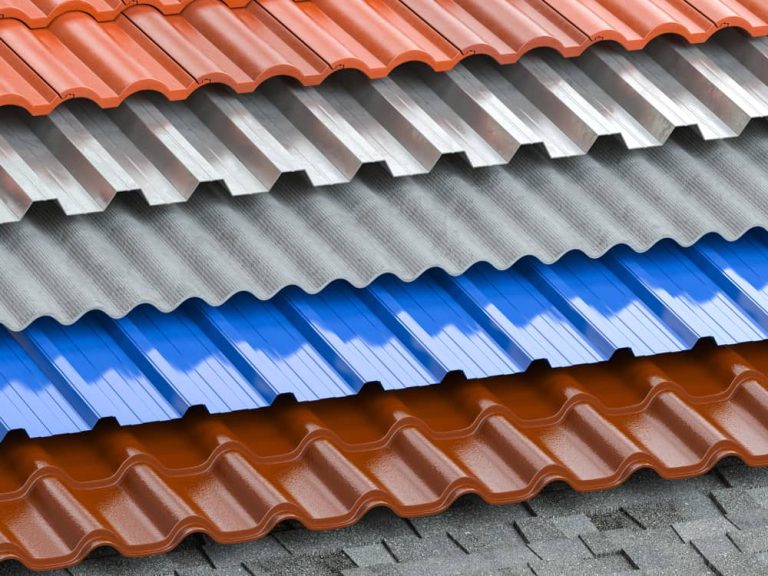
Metal roofs and tile roofs have dramatically longer lifespans (40-70+ years) that shift the repair calculation further even in the South’s demanding climate. Metal roofing has become increasingly popular in Georgia, Alabama, and Tennessee because its resistance to wind, moisture, and UV exposure makes it well-suited to regional conditions. A 20-year-old metal roof represents only midlife, not end of life, making even moderately extensive repairs more justifiable than they’d be for asphalt shingles of the same age.
Single Identified Leak Source
If you can trace water intrusion to a specific cause such as a failed flashing around a chimney, a cracked vent boot, damaged valley flashing, or a small section of compromised underlayment, repair directly addresses the problem. The NRCA confirms that leaks often result from flashings that have come loose or specific roof sections being damaged rather than complete system failure.
In humid climates like the Southeast, flashing is especially vulnerable. Salt air along the Gulf Coast and North Carolina’s Outer Banks corrodes standard galvanized flashing faster than in inland areas, making chimney, skylight, and vent flashing a common single-point repair. Professional leak diagnosis is crucial because water travels unpredictably through roof structures before appearing as interior stains.
A certified contractor can use moisture meters and thermal imaging to confirm that you’re dealing with a single-source problem. Single-point failures respond well to repair, often at costs of $300 to $1,500 depending on the specific issue and accessibility, a fraction of the the typical $20,000 replacement investment.
Minimal Visual Deterioration
Inspect your attic with a flashlight. If you see primarily intact roof deck with no water staining, no visible daylight through gaps, no mold or rot on rafters, and insulation in good condition, your roof structure remains sound. From exterior inspection, undamaged sections should show shingles lying flat without curling edges, reasonable granule coverage, and no significant algae or moss growth.
In the Southeast, some degree of algae staining is nearly universal and doesn’t by itself signal failure, but heavy biological growth left untreated for years can trap moisture and accelerate shingle deterioration. Minor streaking on an otherwise sound 10-year-old roof is a very different finding than thick moss growth on a 17-year-old one.
Cost-Effective Repair Economics
As a general guideline, if properly-scoped repairs cost less than 30 percent of full replacement, repair usually makes economic sense for roofs in the repair-appropriate age range. roof replacement in this region typically runs around $20,000 for most homes, depending on size, location, and material tier, that threshold works out to about $4,000 to $6,000 in repair costs. If your roof is 12 years old with isolated damage and repairs fall comfortably below that figure, repair makes strong financial sense.
Schedule a professional roof inspection
Warning Signs that You Need Roof Replacement
Certain conditions signal that repair would prove wasteful: a temporary fix for a roof that’s fundamentally reached end of life. Recognizing these warning signs early will prevent you from throwing good money after bad, leaving your home at risk.
Age Approaching or Exceeding Expected Lifespan
The most reliable replacement indicator is simply age. Nationally, most asphalt shingle roofs are cited as lasting 20 to 25 years, but in Alabama, Georgia, North Carolina, and Tennessee, the combination of persistent humidity, intense summer UV, heavy annual rainfall, and severe weather can reduce that realistic expectation to 15 to 22 years for standard architectural shingles. If your roof is approaching 15 to 18 years old, replacement should be a strong default consideration even without obvious visible problems.
This is why the NRCA’s general service-life guidance needs to be read through a regional lens. In Georgia, roofing contractors frequently report asphalt shingle roofs showing end-of-life characteristics at 16 to 18 years when maintenance hasn’t included regular inspections, gutter cleaning, and algae control. Professional contractors often won’t warranty repair work on roofs over 18 to 20 years old in this region precisely because the failure risk is so high, a telling signal about repair viability.
Widespread Shingle Damage Across Multiple Roof Sections
When more than 30 percent of your roof shows problems like curled shingles across multiple areas, cracked or broken shingles throughout the surface, extensive granule loss creating bald patches, or widespread algae indicating chronic moisture retention, you’re looking at systemic failure rather than isolated damage. In humid Southeast climates, algae and moss are especially significant: they trap moisture against the shingle surface, slowly lifting the granules and accelerating the deterioration cycle.
Repairing visible problem areas doesn’t address the hundreds of other shingles approaching failure. You’ll face a never-ending cycle of repairs as different sections fail progressively. Repairing 30 to 40 percent of your roof often costs 50 to 70 percent of full replacement while delivering only temporary relief.
Multiple Recurring Leaks
If you’ve repaired leaks two or three times in recent years, but water intrusion keeps appearing in different locations, your roof’s telling you that it’s done. This pattern indicates comprehensive failure of underlayment, widespread seal degradation, or structural issues that targeted repairs can’t adequately address.
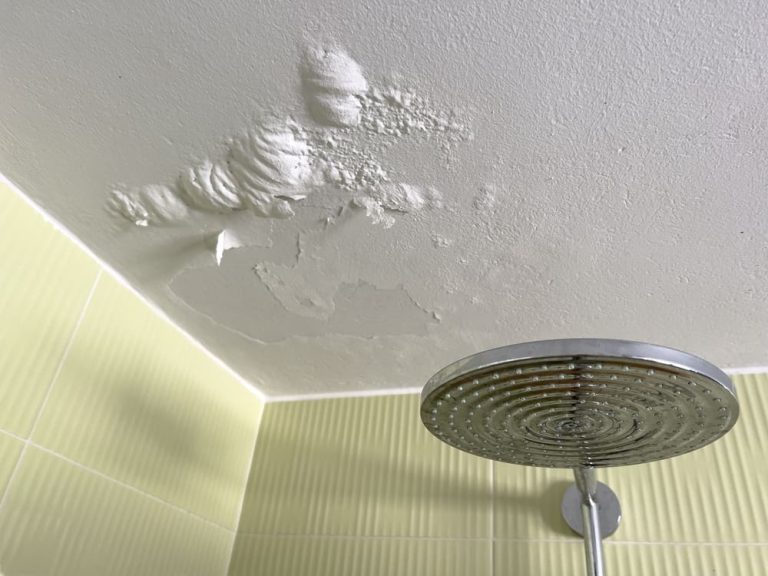
Each repair that fails to solve the problem permanently also causes additional interior damage: water-stained ceilings, damaged insulation, and potential mold growth in walls and attic spaces. Mold remediation in attic spaces can cost $2,000 to $6,000 if professionals need to remove contaminated materials, a risk that’s elevated in the South’s warm, humid conditions where mold gets quickly established once moisture infiltrates structural components.
Sagging or Structural Concerns
Any visible sagging in roof lines, dips in the roof surface, or soft spots when you walk on the roof indicate serious structural problems, rotted decking or compromised roof framing from long-term water intrusion. These conditions absolutely require replacement.
In the Southeast’s humid climate, wood rot can progress quickly once water infiltration begins, sometimes creating structural damage that outpaces visible warning signs. By the time sagging becomes visible externally, extensive hidden damage has typically already occurred
Rising Energy Bills and Interior Temperature Issues
If your heating and cooling costs have increased noticeably despite no changes in usage patterns, your aging roof may be losing its insulating effectiveness. In a climate in which summer cooling demands are high and the cooling season extends from April through October, this inefficiency compounds month after month.
Modern replacement roofs with proper underlayment, ventilation strategies, and Energy Star–rated cool-roof shingles can reduce cooling costs by 10 to 25 percent, partially offsetting replacement costs over time, a benefit that delivers significant annual savings in the South.
Schedule a professional roof inspection

Cost Comparison: Repair vs Replacement
Understanding the complete financial picture requires looking beyond initial quotes to consider long-term value, hidden costs, and the economic lifespan of each option. Making a roof repair vs. new roof decision demands comprehensive cost analysis, not just a pricing comparison.
Immediate Cost Breakdown
Roof repair costs vary dramatically based on the specific problem. In Alabama, Georgia, North Carolina, and Tennessee, typical repair costs run as follows:
- Minor shingle replacement (10-20 shingles): $300-700
- Flashing repairs around chimneys or vents: $400-1,200 (higher end in coastal North Carolina and Gulf Coast Alabama due to material requirements)
- Valley repair or replacement: $500-1,500
- Underlayment patching with shingle replacement: $800-2,000
- Extensive repairs addressing multiple issues: $1,500-3,500+
Roof replacement costs reflect a much larger investment. Current data for our region shows that roof replacement typically runs around $20,000 for most residential homes, varying according to roof size, pitch, material tier, and market.
Coastal North Carolina and Gulf Coast Alabama projects may run higher than inland areas due to wind-rated material requirements and higher demand following storm events. Metal roofing runs $15,000 to $30,000 and over across our region.
Hidden Cost of Delayed Replacement
When roofs fail gradually rather than catastrophically, homeowners often don’t recognize the mounting costs of delayed replacement. Consider a common scenario:
- Year 1: $900 repair for flashing leak
- Year 2: $1,400 repair for shingle damage from wind
- Year 3: $2,000 repair for new leak plus interior ceiling repair
- Year 4: Finally replace roof for $20,000
- Total spent: $24,300 over four years
Compare this to replacing the roof in year one for $20,000. The attempted “savings” from repairs cost an extra $4,300 plus four years of ongoing worry, potential interior damage, and the hassle of multiple contractor visits.
Interior damage from repeated leaks often isn’t included in repair figures. In the Southeast, where warm and humid conditions allow mold to take hold quickly once moisture enters structural components, water-damaged drywall, ruined insulation, mold remediation, and damaged flooring can easily add $3,000 to $10,000 to your total expense when replacement’s delayed too long.
Long-Term Value Analysis
Evaluating repair versus replacement requires projecting costs over your remaining homeownership period. If you plan to stay in your home for 15 more years and your roof is 17 years old, that roof will need replacement during your ownership regardless of whether you repair it now.
Scenario A: Repair Now
- Immediate cost: $2,000
- Roof fails in 3-4 years requiring replacement: $20,000
- Total: $22,000 over 4 years
Scenario B: Replace Now
- Immediate cost: $20,000
- No additional major costs for 15-20+ years
- Total: $20,000 with a decade and a half of protection
The choice becomes clear when you account for the full timeline and, in the Southeast, where realistic remaining life on an aging asphalt shingle roof may be shorter than national averages suggest, the math favors replacement even sooner.
ROI for Replacement
Roof replacement also impacts your home’s value in ways that repairs can’t match. According to the 2025 Zonda (previously Remodeling Magazine) Cost vs. Value report, asphalt shingle roof replacement delivers approximately 56 to 68 percent return on investment (ROI) nationally when you sell, with Tennessee data showing replacement recouping approximately 68% of project cost.
A $20,000 roof replacement adding $11,000 to $14,000 to resale value while removing a negotiating liability that often costs sellers $5,000 to $15,000 in price reductions after inspection represents a financially sound decision for homeowners planning to sell within a few years.
Warranties and Their Impact on Your Decision
Manufacturer warranties and contractor workmanship guarantees significantly influence the repair versus replacement decision, but homeowners often overlook these factors until after they’ve made their choice.
Manufacturer Warranties and Their Role
Quality roofing materials come with substantial manufacturer warranties: typically 25 to 50 years for architectural shingles, with some “lifetime” warranties on premium products. However, these warranties contain important limitations.
Most cover defects in materials, but not labor costs to replace defective products. Manufacturer warranties also become prorated after initial coverage periods, potentially providing only modest value by year 20 or 25.
In Southeast climates, algae-resistant shingles with granules treated with copper or zinc are worth the modest premium. Algae growth is nearly inevitable on untreated shingles in our region’s humidity, and algae streaking that compromises a warranty claim is a frustrating and avoidable outcome.
Understanding your current warranty status helps frame repair versus replacement decisions. If your 8-year-old roof shows defects, warranty coverage makes repair attractive. If your 22-year-old roof has heavily prorated warranty coverage, that warranty provides minimal decision-making value.
Contractor Workmanship Warranties
Separate from manufacturer warranties, reputable contractors provide workmanship warranties covering installation quality, typically one to 10 years, depending on the contractor and project scope. Always confirm warranty coverage when obtaining quotes, and always verify that the contractor carries liability insurance and workers’ compensation before work begins. Contractors willing to provide longer warranties typically have greater confidence in their work quality, a useful selection criterion when choosing among bids.
If you repair sections of your roof, the new work typically gets warranty coverage while existing sections remain unwarrantied. This creates a patchwork situation where you have only partial protection. Full replacement, on the other hand, comes with comprehensive workmanship warranty covering the entire roof, providing peace of mind that isn’t available with piecemeal repairs.
Impact on Home Sales and Inspections
If you plan to sell your home within three to five years, roof condition becomes a critical consideration. Home inspectors carefully scrutinize roofs, and their reports heavily influence buyer confidence.
In a competitive Southeast real estate market, a documented aging roof, even one with recent repairs, often triggers buyer price negotiations or requests for replacement credits. A new roof eliminates these concerns entirely while providing transferable warranties that buyers value.
Many real estate professionals advise that replacing aging roofs (15+ years) before listing delivers better net proceeds than selling with an old roof and negotiating a price reduction postinspection.
Dangerous Cost of Delaying Necessary Replacement
Perhaps the most expensive mistake homeowners make is delaying roof replacement while attempting inadequate repairs.
Water Damage Multiplies Exponentially
Once water begins penetrating your roof system, the damage clock starts ticking aggressively. In the Southeast, this clock runs faster than in drier regions. A single entry point at a compromised shingle can travel horizontally along underlayment, soak into roof decking, wick down wall cavities, and saturate insulation far from where the leak originated.
In a warm, humid climate, mold can begin colonizing wet insulation and wood framing within 24 to 48 hours of moisture intrusion, far faster than in cooler, drier regions.
Rotted roof decking requires replacement before new roofing can be installed, adding $1,000 to $4,000 to replacement costs depending on its extent. Damaged rafters or trusses can require structural repairs costing $2,000 to $8,000.
Mold remediation in attic spaces can cost $2,000 to $6,000. Soaked insulation loses R-value and requires removal and replacement at $1 to $3 per square foot.
Industry data indicates that homeowners who delay roof replacement by two to three years beyond clear replacement indicators typically face 40 to 70 percent higher total costs when accounting for interior damage repair, structural carpentry, and mold remediation compared to timely replacement costs.
Energy Inefficiency Bleeds Money Monthly
An aging, failing roof doesn’t just allow water intrusion; it bleeds expensive conditioned air from your home. In a region where summer cooling runs from April through October and peak cooling loads are significant, this inefficiency compounds month after month.
Conservative estimates suggest that a failing roof can increase heating and cooling costs by 15 to 30 percent, potentially $40 to $120+ monthly, depending on home size and climate zone. Over just two years of delayed replacement, this inefficiency costs $960 to 2,880 in excess utility bills that could have partially funded the replacement project.
Stress, Disruption, and Opportunity Costs
Beyond quantifiable financial costs, delaying necessary roof replacement extracts ongoing psychological and practical tolls. Living with a failing roof means that you’ll be anxiously monitoring weather forecasts, placing buckets during rainstorms, and dealing with recurring contractor visits for emergency repairs.
Also, delaying replacement during favorable weather seasons may result in being forced to replace the roof during less ideal times. Spring and fall are ideal in most of the Southeast, before the intense summer heat or hurricane season arrives.
Emergency replacements during peak storm-damage season may cost 15 to 25 percent more than the same work performed during off-peak periods when contractors offer better rates.
Your Roof Decision Checklist: Repair or Replace?
Use the following decision framework to evaluate your specific situation objectively. Check the statement that best describes your roof in each category, note the point value, then total your score at the end.
AGE
☐ Roof is under 10 years old; premium materials with 30+-year lifespan; warranty still substantial (+2 points)
☐ Roof is 10-15 years old; moderate but not widespread damage; planning to stay 10+ years (0 points)
☐ Roof is 15-18+ years old; approaching regional lifespan end; multiple past repairs failed (-2 points)
DAMAGE
☐ Damage confined to one area; caused by recent identifiable event; less than 15-20% of surface affected; surrounding material in good condition (+2 points)
☐ Moderate damage across 20-30% of roof; some aging visible, but still functional; mixed conditions across sections (0 points)
☐ Widespread damage across 30%+ of surface; multiple or recurring leaks; curled/cracked/missing shingles throughout; heavy algae or moss; visible sagging (-2 points)
FINANCES
☐ Repair costs under 20% of replacement; temporary solution acceptable for 3-5 years (+2 points)
☐ Repair costs 20-30% of replacement; financing available if needed; medium-term plans in home (0 points)
☐ Repair costs exceed 30% of replacement; replacement affordable; energy savings will offset costs (-2 points)
HOMEOWNERSHIP TIMELINE
☐ Selling within 1-2 years and roof won’t affect sale; short-term or rental situation (+2 points)
☐ Undecided on timeline; possible relocation in 3–5 years; want professional assessment first (0 points)
☐ Long-term ownership (10+ years) planned; preparing to sell and want maximum value; roof issues affecting daily life (-2 points)
CONTRACTOR ASSESSMENT
☐ Multiple contractors recommend repair; inspection reveals isolated problems; structure, underlayment, and decking are sound (+2 points)
☐ Contractor recommendations conflict; borderline age and condition; budget constraints require careful analysis (0 points)
☐ Consistent replacement recommendations; inspection reveals hidden damage; structural issues identified; multiple red flags discovered (-2 points)
TOTAL SCORE: __
+6 to +10: Repair’s clearly your best option
+2 to +5: Repair likely appropriate so get a professional assessment to confirm
-1 to +1: Borderline situation requiring multiple expert opinions
-2 to -5: Replacement likely appropriate, but repair may be viable short-term
-6 to -10: Replacement’s clearly necessary
This scoring provides an objective framework, but it shouldn’t override professional contractor assessment of your specific roof condition.
Getting a Professional Assessment: What to Expect
A professional roof inspection provides invaluable clarity for the repair or replace roof decision. Understanding what constitutes a quality assessment will help you to select the right contractor and interpret their findings accurately.
What a Thorough Roof Inspection Includes
A comprehensive roof inspection involves both exterior and interior evaluation.
From the outside, inspectors examine:
- Shingle condition across the entire roof surface, looking for curling, cracking, granule loss, or missing shingles
- Flashing integrity around chimneys, skylights, vents, and valleys
- Gutter condition and evidence of excessive granule accumulation, a key indicator in Southeast climates where heat accelerates granule loss
- Overall roof structure for sagging or irregular lines
- Algae, moss, or dark staining indicating moisture retention
- Evidence of past repairs or modifications
Inside the attic, inspectors look for daylight visible through roof decking, water stains on rafters or roof sheathing, adequate ventilation as proper airflow is critical in the South’s humid conditions, insulation condition and coverage, and any signs of mold, rot, or pest damage.
Quality inspectors use tools including moisture meters to detect hidden water intrusion and thermal imaging cameras to identify heat loss and moisture. In the Southeast, attic moisture and mold are more common findings than in drier regions, and a thorough inspector will flag early-stage biological growth that could progress if left unaddressed.
Inspection Cost and Value
Standalone roof inspections typically cost $150 to $400, depending on location and roof complexity. This represents excellent value compared to the decisions at stake.
A professional assessment prevents you from making unnecessary replacement when targeted repairs would suffice, potentially saving $15,000 or more, attempting inadequate repairs on a roof requiring replacement (saving the $2,000 to $4,000 you’d waste on futile work), and missing hidden damage that will cause problems after partial repairs.
Many roofing contractors offer free inspections when you’re considering their services for the work. For borderline situations, paying for an independent inspection from a contractor who won’t be doing the work provides unbiased assessment.
Red Flags in Contractor Recommendations
Not all roofing contractors provide honest assessments. Watch for these warning signs:
- Immediate pressure to decide (for example, “this price is only good today”)
- Offering to waive insurance deductibles (this is insurance fraud)
- Recommending replacement on relatively new roofs without clear justification
- Refusing to provide detailed written estimates
- Unable to provide proof of liability insurance and workers’ compensation
- Dramatically lower bids than other contractors
In Southeast areas that experience periodic storm damage surges, especially along Alabama’s Gulf Coast, in North Carolina after hurricane season, and in Tennessee after tornado outbreaks, out-of-area “storm chaser” contractors often appear offering quick and discounted work. These contractors may lack local licensing, may use substandard materials, and may disappear before warranty issues emerge.
Be sure to verify contractors’ licensing with your state contractor board and prioritize locally established businesses with verifiable track records.
Getting Multiple Opinions
For borderline repair-vs.-replacement decisions, getting two to three professional opinions will provide you with invaluable perspectives. Consistent recommendations across multiple contractors will signal clear answers. Conflicting recommendations, on the other hand, will suggest that either option might work, requiring you to weigh other factors like budget, timeline, and risk tolerance.
When getting multiple assessments, provide each contractor with the same information about your concerns and timeline. This ensures comparable recommendations rather than biased responses based on what they think you want to hear.
Sources of information:
- ENERGY STAR: Cool Roofs
- International Association of Certified Home Inspectors (InterNACHI): About InterNACHI
- National Roofing Contractors Association: About
- Zonda (previously Remodeling Magazine): 2025 Cost vs. Value (CVV) Report
Frequently Asked Questions (FAQ) about Roof Repair vs Replacement
The repair-vs.-replacement decision raises the same questions for most homeowners. Here are detailed answers to the ones we hear most often.
How do I know if my roof needs repair or replacement?
The decision to repair or replace your roof depends primarily on three factors: age, extent of damage, and cost comparison. In the Southeast, the age threshold shifts earlier than national guides suggest; roofs under 12-15 years old with localized damage typically respond well to repair while roofs approaching or past 18-20 years showing widespread problems almost always warrant replacement. When repair costs exceed 30% of replacement costs, replacement generally becomes more economical long-term. Schedule a professional inspection to accurately assess your specific situation.
How much does roof repair cost compared to replacement in Alabama, Georgia, North Carolina, and Tennessee?
Complete roof replacement in Southeast states typically runs around $20,000 for most residential homes, with variation based on size, market, and material tier. Metal roofing runs $15,000–$30,000+ across the region.
Can I just repair part of my roof instead of replacing everything?
Partial roof repair makes sense when damage is localized and your roof is relatively young (under 12-15 years in the Southeast). However, partial repairs on older roofs or when damage affects multiple areas rarely prove economical. In the South’s climate, matching shingles on aging roofs can be difficult because weathering and fading, accelerated by UV and heat, means that new shingles rarely blend seamlessly with existing material more than a few years old. Some contractors won’t warranty partial repairs on roofs over 15 years old due to high failure risk in this region. For localized storm damage on an otherwise sound roof, partial repair is ideal. But for widespread aging symptoms, attempting partial repairs typically wastes money better spent on replacement.
How long does a roof repair last vs. a new roof in the Southeast?
Properly executed repairs on structurally sound roofs can last 5-15 years, depending on the specific work and overall condition. However, repairs on roofs approaching end of life in this region typically last only 2-4 years before other problems emerge. This is shorter than national averages because Southeast climates put stress surrounding undamaged material. New roof replacement using quality architectural asphalt shingles realistically delivers 15-22 years of service in Alabama, Georgia, North Carolina, and Tennessee under normal maintenance, metal roofing 40–70 years, tile or slate 50+ years. The longevity difference explains why replacement often delivers better value despite higher upfront costs. If you plan to stay 10+ years, replacement on an aging roof provides decades of protection while eliminating the recurring cost and stress of interim repairs.
Making Your Roof Repair vs Replacement Decision
The roof repair vs replacement decision ranks among the most consequential choices you’ll make as a homeowner. For homeowners in Alabama, Georgia, North Carolina, and Tennessee, the stakes are compounded by a climate that genuinely shortens roof lifespans and creates more frequent decision points than homeowners in other parts of the country face.
Remember that age serves as your primary decision indicator, but calibrate it to the Southeast. Nationally, the repair-vs.-replacement line is often drawn at 15 to 20 years. But you need to move that threshold earlier in our region where heat, humidity, UV exposure, and severe weather work together against your roofing system. Treat 15 to 18 years as the range where replacement becomes the serious default assumption rather than the exception.
Your cost analysis needs to extend beyond initial quotes. Attempting repairs on aging roofs often leads to a costly pattern of recurring problems and mounting interior damage. When repair costs exceed 30 percent of replacement costs or when you’ve made multiple repairs in recent years without lasting resolution, replacement becomes the economically sound choice despite higher upfront expense.
Don’t underestimate the compounding costs of delay. In the South’s warm, humid conditions, water infiltration creates mold and structural damage faster than in drier regions. Every month you postpone necessary replacement, damage spreads, potentially multiplying your eventual total cost by 50 to 100 percent beyond the roofing work itself.
Professional assessment is invaluable and inexpensive relative to the decision stakes. A $200 to $400 inspection from a licensed, locally established contractor provides unbiased evaluation that prevents costly mistakes in either direction.
Be cautious of out-of-area contractors following storm events, verify licensing with your state contractor board, and prioritize businesses with verifiable local track records. Always confirm that the contractor carries liability insurance and workers’ compensation before signing anything.
Warranty considerations significantly affect the repair versus replacement economics. Understanding your manufacturer warranty’s current depreciation status will help you to frame realistic expectations about coverage value before committing to repair on an aging roof.
Get consultations from at least three certified, locally established contractors, compare their recommendations and pricing, and make your decision armed with complete information. Don’t let uncertainty keep you in limbo while problems potentially worsen. Take action today to protect your home and your investment.
Ready to resolve your roofing concerns with confidence? Request an appointment for a professional roof inspection, and one of our experienced roofing teams will provide you with a thorough assessment and detailed options for both repair and replacement.