









Stay ahead of costly repairs with this comprehensive home maintenance calendar for Southeast homes, designed specifically for Georgia, Alabama, Tennessee, and North Carolina residents.
Key Takeaways
Seasonal priorities—Each season brings specific maintenance needs in the Southeast, from spring pollen cleanup to summer hurricane prep and fall gutter clearing.
Preventive focus—Monthly maintenance tasks prevent expensive emergency repairs and extend the life of major home systems.
Climate-specific care—Southeast homes need special attention for humidity control, mold prevention, and weather-related damage.
HVAC is critical—With our climate extremes, heating and cooling systems require quarterly attention to maintain efficiency.
Exterior protection—Regular inspection and maintenance of roofing, siding, and foundations prevents water damage from our frequent rain.
Documentation matters—Keep records of all maintenance tasks and inspections to track your home’s condition and support warranty claims.
Understanding Southeast Winters: Why Our Climate Is Different
What if you could prevent most major home repairs before they happen? The secret isn’t complicated; it’s simply staying ahead of maintenance instead of constantly playing catch-up.
For homeowners in Georgia, Alabama, Tennessee, and North Carolina, a home maintenance calendar for Southeast homes is essential because our unique climate affects our homes differently throughout the year.
The Southeast presents specific challenges that homeowners in other regions never face. Our combination of high humidity, intense summer heat, occasional winter freezes, hurricane threats, and that infamous spring pollen season means your home needs attention at specific times to stay in top condition.
This comprehensive home maintenance calendar for Southeast residences takes the guesswork out of home maintenance. By following this guide throughout 2026, you’ll catch small problems before they become expensive emergencies, protect your home’s value, and enjoy peace of mind knowing you’re staying ahead of the maintenance curve.
How to Use Your Home Maintenance Calendar for Southeast Homes
This home maintenance calendar organizes tasks by month to align with our region’s unique seasonal patterns, from spring pollen season through hurricane preparation and winter freeze protection. Each month includes essential tasks specific to that time of year along with state-specific recommendations for Georgia, Alabama, Tennessee, and North Carolina homeowners.
Simply follow along month by month, checking off tasks as you complete them, and adjust the schedule based on your home’s specific needs and your local microclimate. Coastal areas may need more frequent attention to certain tasks than mountain regions, however.
January: Start the Year with Interior Focus
The first month of the new year offers a perfect opportunity to focus on indoor maintenance while the weather keeps you inside. This is your chance to address items that often get overlooked during busier months.
HVAC System Check
Schedule your heating system’s mid-season tune-up. Even though you’ve been running your heater since fall, a January checkup ensures that it continues running efficiently through the remainder of winter.
Check and replace air filters, which should be changed every 30-90 days depending on the type. In the Southeast’s humid climate, dirty filters can contribute to mold growth in your heating, ventilation, and air conditioning (HVAC) system.
Inspect all vents throughout your home to be certain that furniture or drapes aren’t blocking airflow. Poor circulation forces your system to work harder and can create uneven temperatures throughout your home.
Tennessee Winter Considerations
East Tennessee homeowners at higher elevations need to take freeze protection more seriously than those in other Southeast areas. Insulate pipes in unheated spaces, know where your main water shut-off is located, and consider leaving cabinet doors open during hard freezes to allow warm air to reach pipes.
Test Safety Devices
Test all smoke detectors and carbon monoxide detectors. Replace batteries in any units that aren’t hardwired, even if they seem fine. These devices are your family’s first line of defense against fire and carbon monoxide poisoning.
Check the expiration dates on your fire extinguishers and confirm with everyone in your household that they know where they’re located and how to use them.
Inspect for Winter Damage
Walk through your home looking for signs of moisture or water damage, especially in attics and crawl spaces. Winter condensation in our occasionally cold Southeast weather can lead to mold growth if not addressed. Look for water stains, musty odors, or visible mold growth.
Check windows and doors for drafts. Apply weatherstripping or caulk where needed to improve energy efficiency and reduce heating costs.
Plan Major Projects
Use this slower season to research and plan any major home improvement projects you want to tackle in 2026. Get quotes, check contractor availability, and create a realistic budget and timeline. Many contractors offer better rates during their slower winter season.
February: Prep for Spring
This transitional month bridges winter and spring in the Southeast. This is your time to prepare for the busy spring season while completing indoor projects before the weather invites you outside.
Deep-Clean the Kitchen
Pull out your refrigerator and clean the coils on the back or bottom. Dusty coils make your refrigerator work harder and can shorten its lifespan. Vacuum the coils thoroughly and wipe down the area.
Clean or replace the filter in your range hood. A clogged filter reduces effectiveness and can create a fire hazard.
Service the Water Heater
Drain several gallons from your water heater to remove sediment buildup. This simple task improves efficiency and extends the life of your water heater. In the Southeast, our mineral-rich water can cause significant sediment accumulation.
Check the temperature setting; it should be around 120 degrees Fahrenheit for safety and efficiency.
Inspect Caulking and Grout
Check all caulking around bathtubs, showers, and sinks. In our humid climate, deteriorating caulk allows water to seep behind fixtures, leading to mold and structural damage. Recaulk any areas showing gaps, cracks, or mildew.
Inspect tile grout in bathrooms and kitchen. Seal any cracked grout to prevent water penetration.
Review Insurance Coverage
February is an excellent time to review your homeowner’s insurance policy before hurricane season. Ensure that your coverage is adequate for current replacement costs and that you understand your hurricane deductible. Take photos or videos of your home’s interior and exterior for insurance documentation.
North Carolina Coastal Considerations
If you’re a coastal North Carolina homeowner within 100 miles of the ocean, verify that you understand your hurricane insurance deductibles, which are typically higher for coastal properties. Confirm your evacuation zone and routes now, before hurricane season begins.
March: Spring Cleaning and Exterior Preparation
The first real signs of spring appear in the Southeast during March. It’s time to shift your focus outdoors and prepare for the growing season ahead.
Exterior Deep-Clean
Inspect your home’s exterior for winter damage. Look for loose or damaged siding, cracks in stucco or brick, and any areas where water may have penetrated. Address any issues before they worsen with spring rains.
Clean exterior windows inside and out. This is especially important before pollen season hits in earnest. Power wash siding, decks, and walkways to remove winter grime and mildew.
Alabama Tornado Preparedness
Peak tornado activity occurs in Alabama during the spring months. Identify your home’s safe room or shelter area, practice your emergency plan with your family, and that you have multiple ways to receive weather alerts. Trim trees and secure loose outdoor items that could become dangerous projectiles in high winds.
Gutter Maintenance
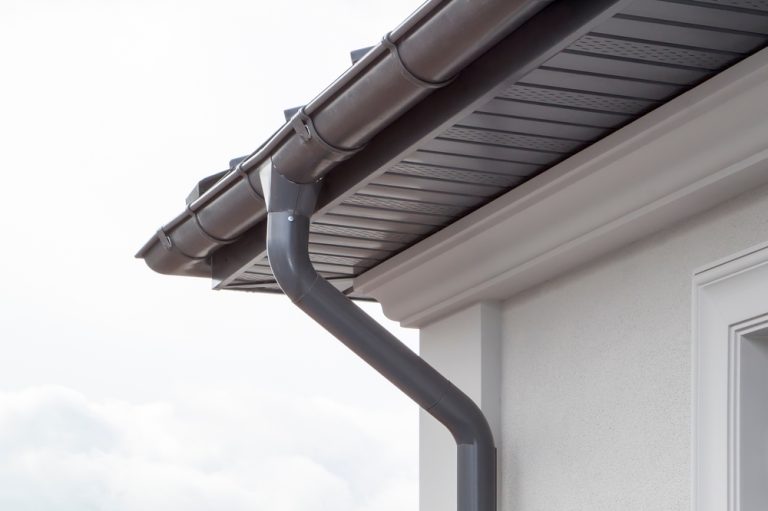
Clean gutters and downspouts thoroughly. Remove leaves, pine needles, and debris that accumulated over winter. Check that downspouts direct water at least five feet away from your foundation.
Inspect gutters for damage, loose brackets, or areas pulling away from the house. Our spring storms can be intense, so gutters need to be secure.
Alabama Crawl Space Inspection
As temperatures warm, Alabama homeowners should inspect crawl spaces for moisture and pest issues. Alabama’s high-water table and humidity make crawl space encapsulation worth considering to prevent moisture problems and improve energy efficiency.
Lawn and Landscape Prep
Have your lawn mower serviced before you need it. Change the oil, replace the spark plug, sharpen the blade, and replace the air filter.
Trim trees and shrubs before new growth begins. Remove any dead branches that could fall during spring storms. Cut back branches touching your roof or siding because they can damage roofing and provide highways for pests.
Check Outdoor Faucets
Test all outdoor faucets and hose connections for leaks. After any freezing weather, pipes may have cracked. Repair any leaks before you start regular watering for the season.
Replace worn hose washers to prevent dripping, which wastes water and creates muddy areas around your home.
April: Pollen Season Survival
Peak pollen season arrives throughout much of the Southeast this month. As a result, you need to pay specific attention to dealing with the yellow coating that eventually covers everything in April.
HVAC Filter Change
Change HVAC filters more frequently during pollen season—potentially every 2-3 weeks if you have allergies. High pollen counts quickly clog filters, reducing system efficiency and circulating allergens throughout your home.
Consider upgrading to HEPA filters if anyone in your household has significant allergies.
Pollen Management
Delay exterior cleaning projects until after peak pollen season passes, typically late April or early May. Washing your house or car during peak pollen is an exercise in frustration.
Keep windows closed during high pollen days and run your air conditioning to filter indoor air. Check daily pollen counts to plan outdoor activities.
Roof Inspection
Once pollen season begins to wane, inspect your roof for winter damage. Look for missing, damaged, or curling shingles. Check flashing around chimneys, vents, and skylights for gaps or damage.
If you feel uncomfortable on your roof, use binoculars from the ground or hire a professional inspector. Catching roof problems early prevents expensive water damage later.
Air Conditioning Prep
Schedule professional air conditioning maintenance before temperatures rise. Technicians can clean coils, check refrigerant levels, test the system, and take care that it’s ready for our long, hot summer.
Clean the area around your outdoor air conditioning unit, removing any debris, leaves, or vegetation within two feet of the unit.
Deck and Fence Inspection
Inspect decks, porches, and fences for winter damage. Look for loose boards, protruding nails, splintering wood, or signs of rot. Tighten any loose fasteners and replace damaged boards.
Plan to power wash and seal or stain wood surfaces in May, after pollen season ends.
May: Pollen Deep-Clean
This month brings relief from pollen along with beautiful weather, making May perfect for outdoor maintenance projects. Take advantage of comfortable temperatures before summer heat arrives.
Major Exterior Cleaning
Power-wash your entire home’s exterior including siding, brick, decks, patios, walkways, and driveways. This removes months of accumulated dirt, pollen, and mildew.
Clean all exterior windows, doors, and light fixtures. Wash or replace window screens that have accumulated pollen and grime.
Georgia Foundation Check
Along with moisture changes, Georgia’s red clay soil dramatically expands and contracts. That’s why Georgia homeowners need to pay special attention to foundation issues.
Monitor your foundation for new cracks and ensure that downspouts direct water well away from your home. The clay soil can cause significant foundation movement if drainage isn’t properly managed.
Seal and Protect Wood
Apply fresh stain or sealant to decks, fences, and outdoor wood furniture. Our humid climate and intense sun quickly deteriorate wood finishes. Regular sealing protects your investment and prevents rot.
Inspect wooden deck boards for signs of rot by pressing a screwdriver into the wood. Soft spots indicate rot that needs replacement.
Check Drainage
Monitor your property during rain to ensure that water drains away from your foundation. Standing water near your foundation leads to basement leaks, foundation cracks, and pest problems.
Regrade areas where water pools, and extend downspouts if needed. Consider installing a French drain in chronically wet areas.
Pest Prevention
Inspect your foundation for cracks or gaps where pests can enter. Seal any openings with appropriate caulk or foam.
Trim vegetation away from your home’s exterior. Bushes and plants touching your house provide pathways for insects and rodents. Maintain at least 12 inches of clearance.
Sprinkler System Check
If you have an irrigation system, test each zone to verify that all heads are working properly. Adjust spray patterns to avoid wasting water on driveways or sidewalks.
Check for leaks in underground lines by monitoring your water meter before and after running the system.
June: Hurricane Season Preparation
The first day of this month marks the official start of the Atlantic hurricane season. Even if you’re not directly on the coast, hurricanes and tropical storms impact the entire Southeast with heavy rain and wind.
Create Emergency Supplies
Assemble or refresh your hurricane emergency kit. Include water (i.e., one gallon per person per day for at least three days), nonperishable food, flashlights, batteries, first aid supplies, medications, important documents in waterproof containers, and cash.
Create a family communication plan and confirm that everyone knows the evacuation routes from your area.
Secure Outdoor Items
Identify everything in your yard that could become a projectile in high winds: furniture, grills, potted plants, decorations, and toys. Plan where you’ll store these items when a storm threatens.
Trim or remove any dead tree branches that could fall on your home during a storm.
Georgia Coastal Salt Air Protection
Homeowners in coastal Georgia areas need to be vigilant about salt air corrosion. Inspect and clean metal fixtures, hinges, and hardware more frequently.
Consider upgrading to corrosion-resistant materials for exterior hardware to prevent premature deterioration.
Generator Considerations
If you have a generator, test it and perform any needed maintenance. Stock appropriate fuel and ensure that you know how to operate it safely.
If you don’t have a generator but experience frequent power outages, consider whether investing in one makes sense for your family.
Window Protection Plan
Decide how you’ll protect windows during a hurricane with plywood, storm shutters, or hurricane-rated windows. If using plywood, precut and label pieces for each window and store them where you can access them quickly.
North Carolina coastal homeowners should have precut plywood or permanent storm shutters ready as the state faces the most direct hurricane threats in the Southeast.
Document Your Property
Take updated photos and video of your home’s interior and exterior including major appliances and valuable items. Store this documentation off-site or in cloud storage for insurance purposes.
July: Midsummer Maintenance
Peak heat and humidity show up in the Southeast in July. Focus on keeping cooling systems running efficiently and protecting your home from moisture damage.
HVAC Summer Service
Change air filters again because your air conditioner is working overtime in July heat. Monitor your energy bills for unusual increases that might indicate your system is struggling.
Check that your outdoor air conditioning unit isn’t surrounded by weeds or debris that restrict airflow. Keep the area clear and trim back any encroaching vegetation.
Moisture and Mold Prevention
Monitor indoor humidity levels, which should stay between 30-50%. Our summer humidity makes mold growth a constant threat. Use dehumidifiers in basements, crawl spaces, and other problem areas.
Check for signs of mold in bathrooms, around windows, and in any areas with poor ventilation. Address moisture sources immediately to prevent mold from spreading.
Inspect Attic Ventilation
Check your attic for adequate ventilation. Poor attic ventilation in our hot summers causes excessive heat buildup that damages roofing and increases cooling costs.
Look for signs of moisture or condensation in the attic, which would indicate ventilation problems. Inspect soffit vents to verify that insulation doesn’t block them.
Check Caulking and Weatherstripping
Inspect all exterior caulking around windows, doors, and other openings. July’s intense sun can deteriorate caulk quickly. Replace any cracked or missing caulk to keep your home’s envelope sealed against heat and humidity.
Pool and Spa Maintenance
If you have a pool or spa, ensure that pumps, filters, and other equipment are functioning properly. Monitor chemical levels carefully as our heat and frequent thunderstorms can quickly throw water chemistry out of balance.
August: Storm Season Vigilance
Peak hurricane season continues with severe thunderstorms throughout the Southeast in August. Stay vigilant about weather monitoring and emergency preparedness.
Prestorm Checklist Review
Review your hurricane preparedness plan and discuss it with all family members so that they’ll know their roles. Verify that your emergency supplies are complete and that food and water haven’t expired.
Check that you have the necessary phone numbers programmed into your phone: insurance agent, emergency contacts, utilities, and local emergency management.
Drainage System Check
Clean gutters and downspouts again to be sure that they’re ready for heavy rain. August storms can dump incredible amounts of water in short periods.
Check sump pumps if you have them. Pour water into the sump pit to check that the pump activates and drains properly.
Back Up Important Data
Back up important computer files and digital photos. Store backups off-site or in cloud storage so you can access them even if your home is damaged.
Tree Assessment
Monitor trees on your property for signs of disease or instability. Dead or dying trees pose serious threats during storms. Consider hiring an arborist to assess any questionable trees.
Test Flashlights and Batteries
Verify that all flashlights work and that you have adequate batteries. Replace any old batteries that might fail during an emergency.
September: Transition to Fall
The transition from summer to fall in the Southeast in September. This is an ideal time for projects before the busy holiday season arrives.
HVAC Filter Change
Replace air filters as your air conditioner continues running. Many areas of the Southeast still experience high temperatures well into September.
Exterior Paint Touch-ups
Inspect painted surfaces for peeling, cracking, or damage. Touch up or repaint areas before the advent of fall weather. Proper paint protection extends the life of your siding and trim.
Check Weatherstripping
Inspect weatherstripping around doors and windows. Replace any that’s cracked, compressed, or no longer seals properly. This improves both heating and cooling efficiency.
Chimney and Fireplace Inspection
If you have a fireplace or wood stove, have the chimney professionally inspected and cleaned before burning season. Creosote buildup causes dangerous chimney fires.
Check the damper to see that it opens and closes properly. A stuck damper wastes energy and can fill your home with smoke.
Tennessee Elevation Considerations
The Smoky Mountain region of Tennessee experiences more dramatic seasonal changes. Watch for early temperature swings that can stress roofing and siding. Prepare for rapid weather changes typical of higher elevations.
Lawn Fall Prep
Overseed thin areas of your lawn with cool-season grass appropriate for the Southeast. September’s warm soil and cooler air temperatures provide ideal germination conditions.
Apply fall fertilizer to strengthen your lawn before winter.
October: Fall Maintenance and Winterization Prep
Beautiful fall weather greets us in October, a great time for outdoor projects. Focus on preparing your home for the temperature drops ahead and winterize your home.
Gutter Cleaning
Clean gutters thoroughly as leaves begin falling. In the Southeast, this might be your second or third gutter cleaning of the year depending on your tree coverage. Consider installing gutter guards if you find yourself cleaning gutters too frequently.
Heating System Service
Schedule professional heating system maintenance before cold weather arrives. Technicians will clean the system, check for carbon monoxide leaks, test safety controls, and ensure efficient operation.
Replace the furnace filter and stock up on replacements for the heating season.
Seal Air Leaks
Identify and seal air leaks around your home. Check around windows, doors, electrical outlets, plumbing penetrations, and where the siding meets the foundation. Use appropriate caulk or foam to seal gaps.
Add or replace weatherstripping around doors. The simple act of stopping drafts can significantly reduce heating costs.
Check Insulation
Inspect attic insulation to see that it provides adequate protection. The Department of Energy recommends R-38 to R-49 insulation for attics in the Southeast. Add insulation if yours falls short.
Reverse Ceiling Fans
Switch ceiling fans to rotate clockwise to push warm air down during heating season. This simple change improves heating efficiency.
Exterior Faucet Winterization
Disconnect and drain garden hoses. Shut off water to exterior faucets and drain the lines if you have shut-off valves. If your area experiences hard freezes, install insulated faucet covers.
East Tennessee homeowners need to be especially diligent about winterizing outdoor plumbing due to colder temperatures at higher elevations.
November: Winter Preparation
This is your last chance to complete outdoor projects before winter weather makes them unpleasant or impossible. Focus on protecting your home from cold and wet conditions in November.
Clean and Store Outdoor Equipment
Clean, service, and properly store lawn mowers, trimmers, and other outdoor power equipment. Drain fuel or add stabilizer according to manufacturer recommendations.
Store or cover outdoor furniture to protect it from winter weather. Clean and cover grills if you won’t be using them through winter.
North Carolina Mountain Preparations
Western North Carolina homeowners face unique challenges including heavier snowfall and ice storms. Verify that there’s proper drainage on sloped properties, monitor retaining walls for movement, and consider the weight of snow accumulation on roofs and decks.
Check for Pests
Inspect your home for signs of rodent or insect activity. Mice and rats seek warm shelter as temperatures drop. Check attics, basements, and garages for droppings or signs of nesting.
Seal any entry points you discover and consider setting traps in vulnerable areas.
Test Heating System
Run your heating system on a cold day to confirm that it’s working properly before you truly need it. Listen for unusual noises, check that all rooms heat evenly, and verify that the thermostat functions correctly.
Clean Dryer Vents
Clean your dryer vent thoroughly including the duct running from the dryer to the outside. Lint buildup causes fires and reduces dryer efficiency. This is especially important heading into winter when you’ll run the dryer more frequently.
Check Carbon Monoxide Detectors
Test carbon monoxide detectors and replace batteries if needed. Carbon monoxide poisoning risks increase in winter when heating systems run constantly and homes are sealed tight against cold air.
December: Year-End Home Review
The year’s final month offers time to complete your annual maintenance and plan for the coming year. December is also a good month for interior projects while you spend more time indoors.
Review the Year’s Maintenance
Look back at the maintenance you completed in 2026. Note any recurring problems that may indicate bigger issues. Review your spending on repairs to help budget for 2027.
Deep-Clean Carpets and Upholstery
Rent a carpet cleaner or hire professionals to deep-clean carpets and upholstery before holiday gatherings. Regular deep cleaning extends the life of carpets and improves indoor air quality.
Check Holiday Lights Safely
Inspect holiday lights before hanging them. Discard any strands with frayed wires or damaged sockets. Never overload circuits, and use outdoor-rated lights and extension cords for exterior decorating.
Use a sturdy ladder and have someone spot you when hanging lights. More injuries happen from ladder falls than any other holiday decoration-related accident.
Service Garage Doors
Lubricate garage door rollers, hinges, and tracks. Test the auto-reverse safety feature by placing a board under the door; it should reverse when it contacts the board.
Check that emergency release mechanisms work properly.
Check Smoke and CO Detectors One More Time
Do a final check of all smoke and carbon monoxide detectors before the holidays when you might be cooking more and burning wood in fireplaces.
Plan Major 2027 Projects
Use the slower season to research and plan any major home improvements for 2027. Winter is the perfect time for thoughtful planning when you’re not rushed by weather deadlines or emergency repairs.
Start by walking through your home and making a comprehensive list of everything that needs attention: both urgent repairs and wish-list upgrades. Prioritize projects based on safety concerns first, then items that prevent further damage, followed by energy efficiency improvements and cosmetic updates.
Research costs for your top priorities by getting preliminary quotes from at least three contractors. Winter is often contractors’ slow season so many are more responsive to quote requests and may offer better rates for projects scheduled during their off-peak months. Ask about their spring and summer availability as the best contractors book up quickly during their busy season.
Create a realistic budget that includes a 10-20% contingency for unexpected issues that often arise during home improvement projects. Consider whether you’ll pay cash, use savings, finance through a home equity line of credit (HELOC), or explore contractor financing options.
For major exterior projects like roofing, siding, or window replacement, winter planning allows you to schedule work for ideal weather windows in spring or fall, avoiding the scheduling crunch and premium prices of peak summer season. Meeting with contractors at this time also gives you time to check references thoroughly, verify licenses and insurance, and compare proposals without pressure.
Sources of information:
- National Association of Home Builders (NAHB): Guide to Routine Home Maintenance
- National Weather Service: Hurricane Safety Tips and Resources
- U.S. Department of Energy: Energy Saver
- U.S. Environmental Protection Agency (EPA): Mold and Your Home
Frequently Asked Questions (FAQ) about Home Maintenance in the Southeast
Before we wrap up, let’s address some of the most common questions Southeast homeowners have about maintaining their homes throughout the year.
How much should I budget for home maintenance each year?
Financial experts typically recommend setting aside 1-4% of your home’s value annually for maintenance and repairs. A $300,000 home would need $3,000-$12,000 per year. Newer homes fall toward the lower end, while older homes require more. Start a dedicated home maintenance savings account to avoid financial stress when repairs arise.
Can I skip maintenance tasks if everything seems fine?
Skipping maintenance is like skipping oil changes in your car—things might seem fine until they catastrophically fail. Preventive maintenance catches small problems before they become expensive emergencies. Regular maintenance also preserves your home’s value and helps major systems last longer.
Should I hire professionals or DIY home maintenance?
It depends on your skills, available time, and the complexity of the task. Simple tasks like changing air filters, cleaning gutters (if you’re comfortable on ladders), and basic cleaning are excellent DIY projects. Hire professionals for HVAC service, electrical work, roofing, anything requiring specialized tools or knowledge, and any task that risks your safety.
How do I find reliable contractors in my area?
Ask friends and neighbors for recommendations. Check online reviews on multiple platforms. Verify licenses and insurance. Get at least three written estimates for major projects. Ask for references and actually contact them. Never pay the full amount upfront; standard practice is 10-30% down with progress payments.
What home maintenance tasks are most important?
If time or budget is limited, prioritize these tasks: HVAC filter changes and professional service, roof and gutter maintenance, plumbing leak repairs, safety device testing (smoke and CO detectors), and addressing any water intrusion immediately. Water damage and HVAC failures are among the costliest home repairs.
Why do I need a Southeast-specific home maintenance calendar?
A home maintenance calendar for Southeast homes addresses our region’s unique challenges: intense spring pollen, hurricane season preparation, high humidity, occasional freezing, and heavy rainfall. Generic national calendars miss critical timing for tasks like postpollen cleaning, hurricane prep, and managing our specific climate issues.
How does the Southeast climate affect maintenance needs?
Our climate creates specific challenges including high humidity promoting mold and mildew, intense summer heat stressing cooling systems and roofing, frequent heavy rain demanding excellent drainage and gutters, occasional freezing requiring pipe protection, and high pollen requiring frequent filter changes and exterior cleaning.
When should I replace rather than repair?
Some winterization tasks work fine in December including weatherstripping, caulking, and pipe insulation. However, major projects like window replacement, door replacement, and roofing replacement become more challenging in cold weather. Adhesives and sealants don’t cure properly below certain temperatures, and working conditions are uncomfortable. If you’ve missed the fall window, prioritize emergency repairs and plan major improvements for early spring.
How can I remember all these maintenance tasks?
Set calendar reminders on your phone for monthly tasks. Print this calendar and post it where you’ll see it regularly. Take photos before and after completing tasks to document your home’s condition. Keep a home maintenance log noting what you did and when. Consider using a home maintenance app to track tasks and set reminders.
What’s the most commonly neglected maintenance task?
HVAC filter changes top the list. Many homeowners forget this simple task that dramatically affects system efficiency, indoor air quality, and equipment lifespan. Set a recurring reminder every month to check filters. In the Southeast’s dusty, high-pollen environment, filters need frequent attention.
Should I do maintenance differently for a rental property?
Rental properties need the same maintenance as your primary residence, but you might schedule tasks differently to accommodate tenant schedules. Create a maintenance schedule for tenants, do seasonal inspections, and respond quickly to tenant maintenance requests to prevent small problems from becoming big ones.
Thinking of Upgrading Your Home’s Exterior?
Following this home maintenance calendar for Southeast homes will help you to protect your property throughout 2026. But what if routine maintenance reveals issues that require professional attention?
Problems like damaged siding that no longer protects your home or the roof showing signs of age, windows that let in drafts and drive up energy bills or gutters that can’t handle our intense Southeast storms? Then it’s time to move beyond maintenance to meaningful improvements.
Pinnacle Home Improvements specializes in exterior home upgrades for homeowners throughout Georgia, Alabama, Tennessee, and North Carolina. We understand the unique challenges each state presents, from Georgia’s red clay soil issues to Alabama’s tornado threats, from Tennessee’s elevation-related freeze concerns to North Carolina’s coastal hurricane exposure. Our team has the regional expertise to recommend and install solutions that work specifically for your location and climate.
Whether you need energy-efficient replacement windows that reduce your cooling costs, durable siding systems engineered for Southeast weather, professional roofing that stands up to our severe storms, or seamless gutters designed to handle our heavy rainfall, we deliver quality materials and expert installation. We know that home maintenance sometimes reveals problems that simple upkeep can’t solve; that’s when our decades of experience become your greatest asset.
Maintaining a home in the Southeast requires attention throughout the year, but it doesn’t have to be overwhelming. By following this month-by-month calendar, you’ll break down maintenance into manageable tasks that fit naturally into each season’s rhythm.
The time and effort you invest in regular maintenance pays dividends in avoided repairs, extended equipment life, preserved home value, and peace of mind knowing your home is protected against our region’s unique challenges. Most importantly, you’ll catch small problems before they become expensive emergencies.
Keep this home maintenance calendar for Southeast residences handy throughout 2026, adjust it to fit your home’s specific needs, and don’t hesitate to seek professional help when tasks exceed your comfort level or expertise. Your home is likely your largest investment; protecting it with consistent maintenance means that it will continue serving your family well for years to come.
Here’s to a year of staying ahead of maintenance instead of constantly catching up. Your future self will thank you for the effort you put in today.
And when you’re ready to move beyond maintenance to improvements that enhance your home’s protection, efficiency, and value, request an appointment. We’ll provide an honest assessment, explain your options clearly, and deliver the quality workmanship your home deserves. Let us help you protect your investment for years to come.