










Going through a summer home maintenance checklist now helps homeowners in Alabama, Georgia, North Carolina, and Tennessee catch small problems before the region’s heat, humidity, and hurricane season hit at once. Is your house ready for that stretch or has it just been coasting since spring?
Key Takeaways
Southeast summers combine intense heat, high humidity, and hurricane risk, which stresses roofs, siding, HVAC systems, and foundations more than in most other regions of the country.
NOAA’s 2026 Atlantic outlook calls for 8-14 named storms this season so gutter, roof, and drainage checks matter even in a below-average year.
Sealing and insulating your attic can cut cooling costs, according to ENERGY STAR estimates.
A presummer roof and gutter inspection catches small problems before a July thunderstorm turns them into water damage.
Pest pressure spikes with heat and humidity so doing a perimeter check now will save headaches later in the season.
Alabama, Georgia, North Carolina, and Tennessee each carries its own local quirks worth planning around, from coastal storm exposure to inland tree canopy and clay soil.
Why Southeast Summers Are Hard on Homes
Alabama, Georgia, North Carolina, and Tennessee are all within a humid subtropical climate zone, which means long, hot summers paired with heavy moisture in the air for months at a stretch. That combination’s tougher on a house than dry heat alone since humidity doesn’t just make the air feel thicker; it actively works its way into building materials and stays there.
Add intense ultraviolet (UV) exposure that fades paint and stresses exterior materials faster than in drier climates, and you’ve got three separate stressors hitting your home’s exterior at once, siding included. See which siding materials hold up against this exact combination of heat, humidity, and UV.
The moisture problem’s worth taking seriously on its own. Humidity invites mold, mildew, and wood rot, especially on shaded or north-facing exterior walls that never fully dry out between rains. Homes with mature landscaping or dense tree cover, common throughout our region, tend to see this issue show up faster because less sunlight and airflow reach the siding.
Hurricane season adds a fourth layer, since it overlaps with the entire summer rather than arriving as a separate event. The the National Oceanic and Atmospheric Administration (NOAA)’s National Weather Service is forecasting a below-normal 2026 Atlantic season, with 8 to 14 named storms expected and 3 to 6 forecast to become hurricanes. A below-average outlook’s still an outlook with storms built into it. It only takes one direct hit or even a remnant system dumping rain inland to test your home’s roof and drainage.
Your Room-by-Room and System-by-System Checklist
The following sections move from roof to foundation, covering the systems and surfaces that take the hardest hit during a Southeast summer, in the order in which a homeowner would tackle them during a single weekend or spread across a few weekends in late spring.
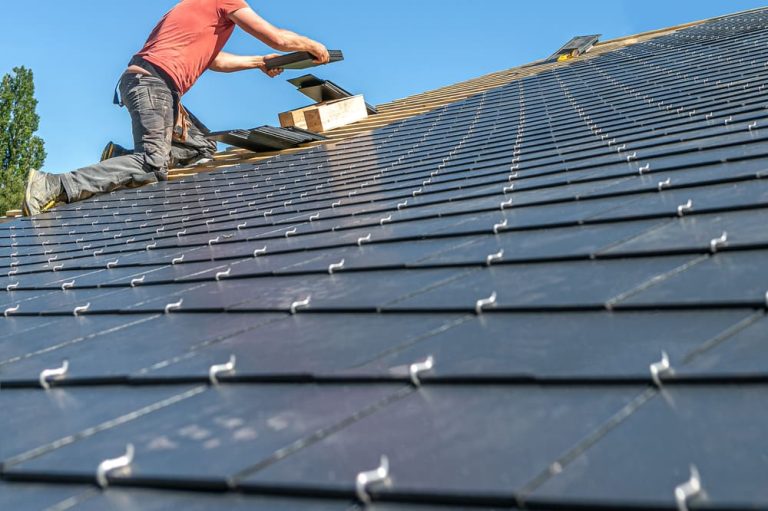
1. Inspect and Prep Your Roof
Your roof absorbed a full winter and spring of freeze-thaw cycles and storm activity before summer even arrives. And it’s about to take on stronger UV exposure and heavier thunderstorms on top of that. Doing a quick inspection now will only take you an afternoon whereas if you wait, a missed problem will cost you a ceiling repair in August.
☐ Scan the roofline from the ground with binoculars for missing, cracked, or curling shingles
☐ Check flashing around chimneys, vents, and skylights, since that’s where most leaks originate
☐ Clear debris that built up over spring, especially in valleys where water tends to pool
☐ Schedule a professional inspection if your roof’s more than 15 years old or has weathered recent storms
If your roof turns up more than minor wear, consider our professional roof inspection and roof replacement services.
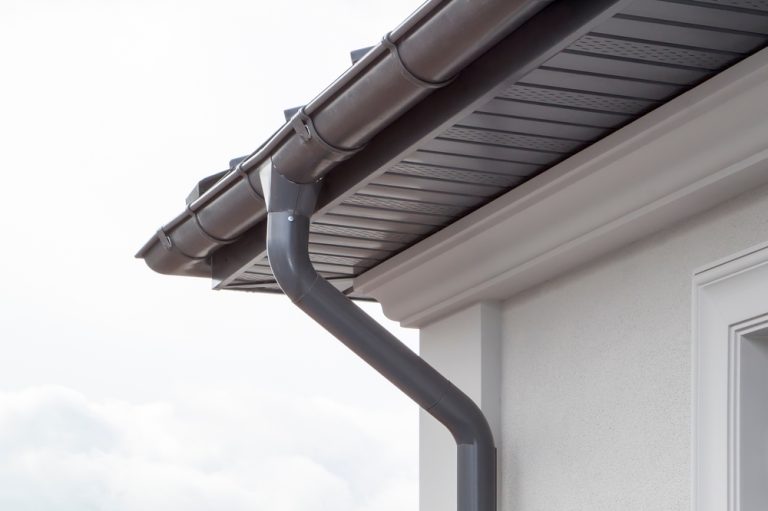
2. Clean and Check Your Gutters
Cloggedgutters during a Southeast summer storm send water pouring straight down your siding instead of away from your foundation. That’s the kind of problem that seems minor until it suddenly becomes major. Given how often afternoon thunderstorms roll through our region between June and August, you shouldn’t skipp this even if your gutters looked fine last fall.
☐ Clear leaves, seed pods, and debris from gutters and downspouts
☐ Confirm that downspouts direct water at least several feet away from your foundation
☐ Check for sagging sections or loose brackets that could give way under heavy rain
☐ Consider gutter guards if falling debris from nearby trees is a constant issue
For homes under heavy tree cover, you may want to cut down on the maintenance long-term with our gutter installation and gutter guard replacement services.
3. Give Your Siding a Thorough Look
Siding in our region works overtime, handling humidity swelling and UV fading at the same time, which is a tougher combination than either stressor on its own. A careful look now rather than a quick glance from the driveway tends to catch small cracks and gaps before they let moisture behind the panels.
☐ Wash siding with a garden hose rather than a pressure washer, which can force water behind panels
☐ Check for cracks, warping, or gaps, especially near corners and trim
☐ Watch for mold or mildew streaking, which appears fastest on shaded, north-facing walls
☐ Touch up caulking around windows, doors, and utility penetrations
If your siding keeps showing wear summer after summer despite regular maintenance, that pattern’s often a sign that the material itself isn’t suited to the climate rather than evidence that you’re doing something wrong. See which siding materials hold up against this exact combination of heat, humidity, and UV.
4. Tune Up Your HVAC System
Your air conditioner (AC)’s about to become the hardest-working system in your house for the next several months. But a system that starts the season already strained tends to fail at the worst possible time, usually during a heat wave when everyone else’s calling for service, too. A short tune-up now’s far cheaper than an emergency repair in July.
☐ Replace or clean air filters since a dirty filter forces the system to work harder
☐ Clear leaves, grass clippings, and shrubs from at least two feet around the outdoor condenser unit
☐ Schedule a professional tune-up, especially for systems that are more than a decade old
☐ Consider getting and using a programmable or smart thermostat to manage costs during peak heat
ENERGY STAR estimates that sealing air leaks and adding attic insulation can lower cooling costs in most homes because attics are often the single biggest source of energy loss in a house. That matters even more in our region, where our ACs run for months rather than weeks at a time.
5. Check Windows and Doors for Air Leaks
Every gap around a window or door frame’s a small, ongoing hole in your cooling budget. Those gaps tend to get worse in humid climates as wood and caulk expand and contract with the seasons. By catching them now will prevent your AC from fighting an uphill battle all summer.
☐ Run a hand around window and door frames on a hot day to feel for warm air leaking in
☐ Replace worn weatherstripping and recaulk visibly cracked seals
☐ Check for condensation between double-pane glass, which signals a failed seal
☐ Consider replacement if windows are original to an older home and drafts persist despite sealing
Many of the same air-sealing principles apply year-round; see the flip side of this same problem in our guide to insulating windows for winter. If sealing doesn’t solve it, you can explore energy-efficient options built for our climate with our window replacement services.
6. Walk the Perimeter for Pest Activity
Heat and humidity are what termites, ants, and other pests wait for all year. A quick walk around your foundation now can catch early signs before an infestation takes hold. This is a five-minute task that’s easy to skip, but expensive to regret.
☐ Look for mud tubes along the foundation, a classic termite sign
☐ Check for wood that sounds hollow when tapped or shows flaking near ground contact
☐ Trim vegetation and mulch back from the foundation to remove easy pest access points
☐ Schedule a professional pest inspection if you notice any warning signs or haven’t had an inspection in over a year
7. Prep for Storm and Hurricane Season
Hurricane season runs June 1 through November 30, and while NOAA’s 2026 outlook calls for below-average activity, that forecast covers the whole Atlantic basin, not any single area. Coastal Georgia and the Carolinas could see direct impacts while inland Alabama and Tennessee tend to deal with remnant storms bringing flooding rain. As a result, preparation matters across the entire Southeast region rather than just along the coast.
☐ Trim tree limbs that hang over the roof or power lines
☐ Confirm that outdoor furniture, grills, and decorations can be secured or brought inside quickly
☐ Test that your sump pump, if you have one, is working before storm season peaks
☐ Keep a small emergency kit with flashlights, batteries, and drinking water on hand
8. Handle Yard and Landscaping Maintenance
A healthy yard does more than boost curb appeal; it protects your home’s drainage and keeps moisture away from your foundation and siding. Giving your yard a little consistent attention through the summer prevents the kind of overgrowth that traps humidity against your house.
☐ Mow regularly, but avoid cutting warm-season grasses like Bermuda or centipede too short
☐ Water early morning or evening rather than midday to reduce evaporation loss
☐ Refresh mulch beds to help retain soil moisture during dry spells
☐ Trim shrubs and trees away from siding and rooflines to reduce moisture trapping and pest access
9. Protect Your Family from Extreme Heat
Home maintenance matters, but staying safe once the heat actually sets in matters just as much. The Centers for Disease Control and Prevention (CDC) recommends staying in air-conditioned spaces as much as possible during extreme heat, checking on older neighbors and family members regularly, and never relying only on a fan once temperatures climb above 90 degrees Fahrenheit since fans don’t lower body temperature despite moving air around.
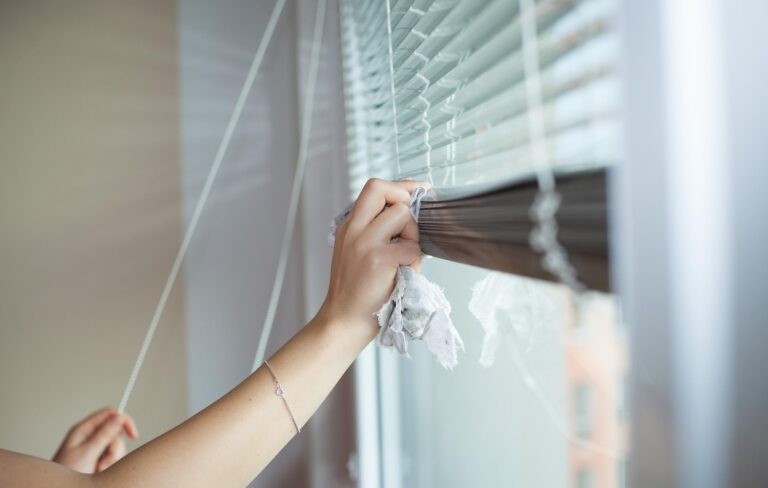
☐ Keep blinds or curtains closed during peak sun hours to block heat gain
☐ Check thatyour AC’s working well before a heat advisory hits, not during one
☐ Learn the signs of heat exhaustion and heat stroke, and confirm a check-in plan for elderly relatives or neighbors
What Changes State by State
Our summer maintenance checklist applies across all four states, but local terrain, storm exposure, and soil conditions shift priorities depending on where your home’s located.
Alabama: Humidity, Storms, and Clay Soil
Alabama homeowners deal with some of the thickest summer humidity in our region, paired with strong afternoon thunderstorms that build almost daily through July and August. That moisture load makes gutter maintenance and roof drainage especially important because standing water has more opportunity to cause damage before it evaporates.
Birmingham homes, especially older ones in established neighborhoods, often sit on clay-heavy soil that expands and contracts with moisture swings, which can stress foundations and siding over a humid summer. Huntsville, with its mix of newer subdivisions and tech-sector growth, has more homes with modern HVAC systems. Summer storms rolling off the Tennessee Valley make gutter and roof checks worthwhile regardless of a home’s age.
Georgia: Tree Canopy and Coastal Storm Exposure
Georgia’s summer challenges split fairly evenly between tree-related maintenance inland and storm risk on the coast, depending on where in the state a home’s located. Mature tree canopy’s the defining feature for many established neighborhoods so gutter debris and limb damage are frequent, recurring summer issues rather than one-time problems.
Atlanta homeowners can expect heavier leaf and pollen debris loads on gutters and roofs through the growing season along with general storm exposure from the same thunderstorm patterns affecting the rest of the Southeast. Because Georgia’s coastline sits within reach of Atlantic storm tracks, even homes that are well inland could see remnant rain and wind from systems that make landfall further south, making hurricane-season prep worthwhile statewide rather than just near the coast.
North Carolina: Hurricane Track Proximity
Situated closer to the Atlantic storm tracks than the other three states in our region, North Carolina needs to give hurricane-season preparation a higher priority than just taking general precautions. Even a storm that doesn’t make direct landfall nearby can bring significant wind and rain to inland North Carolina communities.
Charlotte and Raleigh homeowners should treat tree trimming, gutter clearing, and emergency-kit prep as seasonal priorities, given how often tropical systems or their remnants track through the Carolinas between June and November. Both cities also see enough humidity and summer rainfall that mold and mildew checks on siding deserve regular attention alongside storm prep.
Tennessee: Humidity Swings and Wooded Terrain
Tennessee’s summer profile varies more across the state than the other three, largely because of terrain differences between its river valleys and its more mountainous eastern regions. Humidity swings can be sharp and sudden, which puts extra pressure on attic ventilation and HVAC systems working to keep up with changing conditions.
Chattanooga and Knoxville, both surrounded by wooded terrain, tend to see heavier leaf and debris loads on gutters and roofs than more urban parts of the state. Nashville, meanwhile, sees rapid humidity swings that make attic ventilation and HVAC efficiency especially important since a poorly ventilated attic in a humid stretch can drive cooling costs up fast.
If you’re ready to consider it for your home, request a free in-home consultation.
Reference Sources:
- ENERGY STAR: Energy Efficient New Homes and Apartments
- National Pest Management Association (NPMA): Bug Barometer
- National Pest Management Association (NPMA): Termites
- National Roofing Contractors Association (NRCA): Maintenance: The Key to Long-term Roof System Performance
- National Weather Service: Southeast
- Ready.gov: Severe Weather
- U.S. Centers for Disease Control and Prevention (CDC): Heat & Health Tracker
Frequently Asked Questions (FAQ) about Summer Home Maintenance Checklist for Southeast Homeowners
Take a look at the answers we’ve assembled to the questions Southeast homeowners ask most often about the home maintenance tasks they need to do every summer.
When should I start summerizing my home?
Late spring, before the first heat waves and before hurricane season ramps up in late summer, will give you enough time to schedule roof, HVAC, and pest inspections without getting into a last-minute rush.
Do I really need a professional roof inspection every year?
Not necessarily every single year, but any home that’s more than 15 years old or one that’s been through recent severe weather benefits from a professional inspection rather than a ground-level guess.
Is it worth replacing windows just for summer efficiency?
If windows already show condensation between panes, drafts, or visible warping, replacement often pays for itself faster in a hot, humid climate than in milder regions as air conditioning runs for so much longer here.
What should I look for when hiring a contractor for roof, siding, or window work?
YeConfirm that the contractor carries proper licensing and insurance for your state and ask about manufacturer certifications relevant to the work such as GAF Master Elite for roofing.
How much hurricane risk do inland Southeast cities actually face?
Coastal Georgia and the Carolinas experience the most direct impact, but remnant storms regularly bring heavy rain and flooding as far inland as Tennessee and Alabama so drainage and roof prep matter across our whole region.
Getting Your Home Ready for the Season Ahead
A little attention now, before the heat and humidity in our region peak, saves a lot of frustration once August arrives. Use the checklist above when looking at your roof, gutters, siding, and HVAC system, and you’ll head into the hottest months with a home that’s genuinely ready for tough weather conditions rather than keeping your fingers crossed and hoping for the best. If your walkthrough turns up siding that’s fading and cracking, a roof that’s showing its age, or windows that leak conditioned air all summer, it might be time for more than a maintenance weekend can fix.
In case you’re ready to look at options for your home, our team has expertise in roof, siding, window, door, and gutter installation and replacement. Pinnacle Home Improvements is proud to maintain an A+ rating with the Better Business Bureau (BBB). We’ve been voted “best exterior remodeler in 2026.”
Request an appointment today, and we’ll come to your home to measure, discuss whether Hardie board siding fits your situation, show you the actual products we install, and put real numbers in front of you. No high-pressure sales pitch, no surprise add-ons later, just straight answers.