










Ever noticed that horizontal ledge at the bottom of your window and wondered what it actually does or why it matters so much to your home’s health?
That simple piece of trim is working harder than you think. Your window sill is quietly protecting your home from water damage, supporting your window’s structure, and adding character to both your interior and exterior spaces.
For homeowners across the Southeast, where humidity hangs heavy and afternoon thunderstorms roll through regularly, understanding your window sills is essential to protecting one of your biggest investments.
Key Takeaways
Window sills are the horizontal surfaces at the bottom of windows that protect your home from water damage and support the window structure.
Southeast humidity accelerates window sill deterioration in Alabama, Georgia, Tennessee, and North Carolina homes.
Catch damage early by checking for soft wood, peeling paint, water stains, and pest activity to avoid costly structural repairs.
DIY repair works for minor surface damage but call professionals for deep rot or structural issues.
A rotten window sill often signals bigger problems like failed flashing or drainage issues that need expert diagnosis.
Replace entire windows when they’re 15-20+ years old or showing multiple signs of wear beyond just sill damage.
Prevent future damage with twice-yearly inspections and regular caulking, gutter maintenance, and humidity control.
Get a professional assessment to determine whether repair or replacement offers the best value for your home.
Understanding Window Sills: Definition
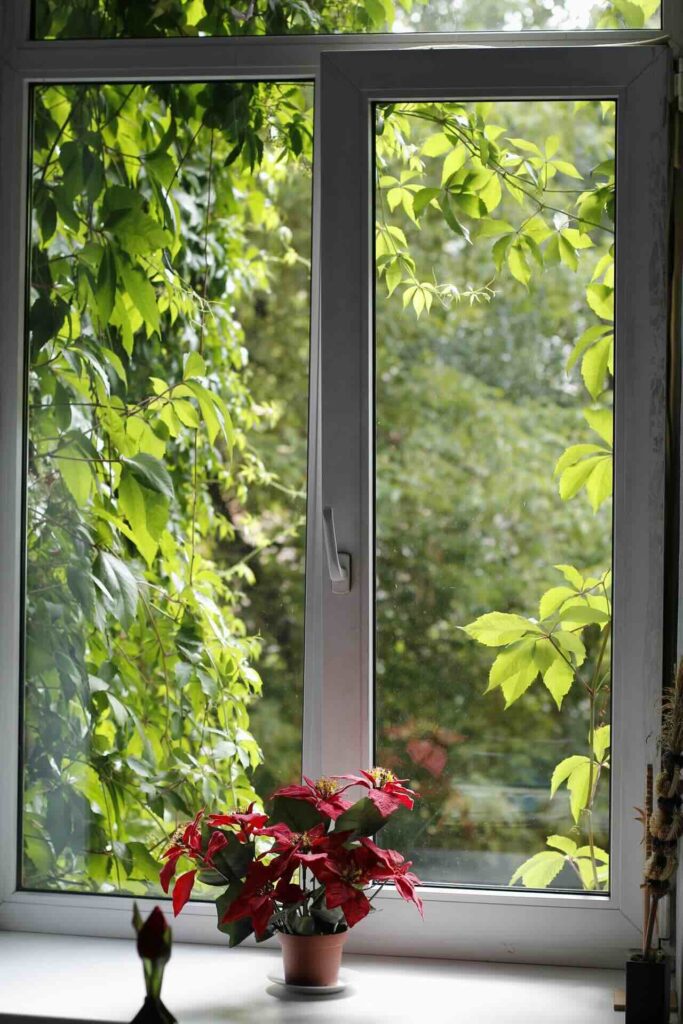
A window sill is the horizontal surface that sits at the bottom of a window frame, extending slightly beyond the wall both inside and outside your home.
Think of it as the foundation of your window. On the exterior, the sill (sometimes called a “stool”) slopes away from the house to direct rainwater outward. Inside, it creates that flat ledge where you might display plants, photos, or seasonal decorations.
But window sills do much more than hold your potted basil.
A complete window sill system includes:
- Exterior sill or stool that deflects water away from your home’s structure
- Interior sill or stool that provides the decorative ledge inside
- Apron, which is the decorative trim piece directly below the interior sill
- Jambs on both sides that frame the window vertically
- Header or head jamb across the top
According to the U.S. Department of Energy, properly installed and maintained window components including sills play a critical role in your home’s energy efficiency and moisture management.
The exterior sill typically includes a drip edge or groove on its underside. This small detail prevents water from running back toward your home’s siding or foundation, directing it safely to the ground instead.
Why Window Sills Matter More in the Southeast
If you live anywhere from the Carolinas to Alabama, your window sills face unique challenges.
The Southeast’s combination of high humidity, intense sun exposure, and frequent rain creates the perfect storm for window sill deterioration. Add in our longer warm seasons, and you’ve got year-round conditions that accelerate wood rot and material breakdown.
According to the National Association of Home Builders, wood components in humid climates ike those found across Georgia, Tennessee, and North Carolina experience rot and decay at significantly higher rates than in drier regions. This makes vigilant maintenance crucial for homeowners in the Southeast.
Your window sills are on the front lines of this battle against moisture.
Signs Your Window Sill Needs Attention
Catching window sill damage early can save you thousands of dollars in repairs. A rotten window sill doesn’t just look bad; it can compromise your entire window system and allow water to penetrate your walls.
The earlier you spot problems, the simpler and less expensive repairs will be. Here’s what to look for during your regular home inspections.
Water Damage Indicators
Signs of water damage often appear first and signal that moisture is compromising your window sill’s integrity. Look for:
- Discoloration, staining, or dark spots on the sill surface
- Peeling, bubbling, or cracking paint that won’t stay adhered
- Soft or spongy areas when you press on the wood
- Visible water pooling or standing moisture after rain
Rot and Structural Issues
When water damage progresses unchecked, it leads to rot that threatens the structural function of your window sill. Check for:
- Wood that feels soft when poked with a screwdriver or awl
- Crumbling or flaking wood texture
- Gaps between the sill and window frame or wall
- Sagging or uneven sill surfaces
Pest Activity
Insects are attracted to moisture-damaged wood, and their presence often indicates serious underlying problems. Look for:
- Small holes or tunnels in the wood surface
- Fine sawdust or wood powder accumulation
- Visible termite tubes or carpenter ant activity
- Hollow sounds when tapping the sill
The Old House Journal notes that wood rot often begins where the sill meets vertical surfaces, as these joints trap moisture and create ideal conditions for decay.
Don’t ignore these signs. What starts as minor surface damage can quickly become a major structural problem requiring complete window replacement.
Window Sill Repair: When DIY Makes Sense
Not every damaged window sill requires professional intervention. If you’ve caught the problem early and have basic carpentry skills, you may be able to handle the repair yourself.
Good candidates for do-it-yourself (DIY) window sill repair include:
- Minor surface rot that hasn’t penetrated deeply into the wood
- Small cracks or splits in otherwise sound material
- Cosmetic damage like peeling paint or minor scratches
- Water stains without underlying structural damage
Your DIY repair toolkit should include a quality wood hardener or consolidant to stabilize partially rotted wood, wood filler or epoxy putty for filling small damaged areas, sandpaper in various grits for surface preparation, exterior-grade primer and paint rated for high-moisture areas, and caulk designed specifically for exterior use.
The basic repair process consists of the following steps:
- Remove any loose or flaking material and clean the damaged area thoroughly.
- Apply wood hardener to any soft spots and let it cure completely according to manufacturer instructions.
- Fill holes, cracks, or damaged sections with epoxy filler, shaping it to match the sill’s profile.
- Sand everything smooth once the filler has hardened, then prime and paint with high-quality exterior products.
However, you need to understand the limitations of DIY repairs. If rot has penetrated more than a quarter-inch deep, if structural integrity is compromised, or if you’re seeing widespread damage across multiple sills, it’s time to call a professional.
When Professional Window Sill Repair Is Necessary
Some window sill situations require expertise, specialized tools, and experience that go beyond typical DIY capabilities.
Professional repair or replacement becomes essential when:
- You’re dealing with extensive rot that affects the structural support of the window.
- Damage extends into the window frame, wall framing, or surrounding structure.
- Multiple window sills throughout your home show similar deterioration patterns.
- Water damage suggests problems with flashing, drainage, or installation errors.
- Your home has historic windows that require preservation-quality restoration.
Professional contractors bring advantages that justify their cost. They can accurately assess whether the damage is isolated to the sill or indicates broader moisture problems.
They have access to matching materials for older homes where original components may be difficult to source. They understand proper waterproofing techniques and can ensure repairs won’t fail prematurely.
Most importantly, professionals can identify the root cause of the damage, not just fix the symptoms.
A rotten window sill often points to larger issues like improper flashing, inadequate caulking, or problems with your home’s drainage system. A skilled contractor will address these underlying problems so that you don’t get stuck making the same repairs every few years.
Replace Window Sill or Replace Entire Window?
This is the question many Southeast homeowners face when confronting significant sill damage.
The answer depends on several factors beyond just the condition of the sill itself.
Consider full window replacement when:
- Your windows are more than 15-20 years old and showing multiple signs of wear.
- You’re experiencing drafts, condensation between panes, or difficulty opening and closing.
- Energy bills seem unusually high despite adequate insulation elsewhere.
- Multiple components show damage, not just the sill but also the frame, jambs, or sashes.
- You’re planning other major exterior renovations where window replacement makes logistical sense.
Modern replacement windows offer significant advantages over repairing old, damaged units.
Today’s energy-efficient windows can reduce cooling costs by 15-25% in the Southeast climate, according to the Department of Energy. They eliminate drafts, reduce outside noise, and require virtually no maintenance in comparison to traditional wood windows.
Many come with lifetime warranties that cover both materials and installation.
But replacement isn’t always the best choice.
If your windows are relatively new with only the sill looking damaged, replacement doesn’t make economic sense. If you have historic or architecturally significant windows, preservation may be preferable to replacement. And if damage is isolated to one or two windows only, targeted sill repair offers better value than whole-house window replacement.
The sweet spot? When sill damage coincides with windows that are already near the end of their service life, replacement often costs only marginally more than extensive repairs while delivering far better long-term performance.
Preventing Future Window Sill Damage
An ounce of prevention really is worth a pound of cure when it comes to window sills.
Regular maintenance can extend your window sills’ lifespan by decades and prevent the costly repairs we’ve been discussing.
Creating a Seasonal Maintenance Routine
Setting up a simple seasonal maintenance routine will keep your window sills dry and healthy.
Every spring:
- Inspect all window sills for damage, paying special attention to the exterior
- Clean sills thoroughly to remove dirt, pollen, and organic debris
- Check caulking around windows and re-caulk any gaps or cracks
- Look for signs of pest activity or early wood rot
Every fall:
- Repeat your spring inspection before winter weather arrives
- Ensure all exterior sills slope properly for drainage
- Verify that gutters and downspouts direct water away from windows
- Apply fresh paint or sealant to any areas showing wear
Year-round:
- Keep plants and decorative items on interior sills elevated slightly to allow air circulation
- Wipe up water spills or condensation promptly
- Ensure window wells outside basement windows drain properly
- Monitor humidity levels inside your home, especially in bathrooms and kitchens
Remember that the key to long-lasting window sills in the Southeast is moisture management.
Proper grading around your home’s foundation, functioning gutters, adequate attic ventilation, and appropriate landscaping all contribute to keeping your window sills dry and healthy.
Making the Right Choice for Your Home
Your window sills play a critical role in protecting your home from the Southeast’s challenging climate.
Whether you’re dealing with minor cosmetic damage or a rotten window sill that threatens your home’s structure, taking action now prevents more expensive problems down the road.
For minor issues caught early, DIY repair might save you money and give you valuable experience. For extensive damage, structural concerns, or situations in which you’re unsure of the underlying cause, professional help ensures that the job is done right the first time.
If your windows themselves are aging and inefficient, replacement may offer the best long-term value, especially when sill damage is just one symptom of broader window deterioration.
Sources of information:
- This Old House: How to Replace a Rotted Windowsill
- National Association of Home Builders (NAHB): Rain & Groundwater Management: Reducing the Risk of Water Intrusion & Damage
- U.S. Department of Energy (DOE): Update or Replace Windows
Frequently Asked Questions (FAQ) about Window Sills
Here are answers to the most common questions homeowners in the Southeast ask about window sills, their maintenance, and repair options.
What is a window sill?
A window sill is the horizontal surface at the bottom of a window frame that extends slightly beyond the wall on both the interior and exterior of your home. The exterior sill slopes away from the house to direct water outward, while the interior sill provides a flat ledge for decorative items. Window sills protect your home’s structure from water damage and provide essential support for the entire window system.
How do I know if my window sill is rotting?
Press on the wood with your finger or gently poke it with a screwdriver. If the wood feels soft, spongy, or crumbles easily, you likely have rot. Other signs include discolored or dark spots, peeling paint that won’t stay adhered, visible cracks or gaps, and a musty smell. In advanced stages, you may see visible holes, crumbling wood texture, or notice the sill sagging.
Can I repair a rotten window sill myself?
You can repair minor rot yourself if the damage is superficial and hasn’t penetrated deeply into the wood. DIY repairs work well for surface damage less than a quarter-inch deep using wood hardener and epoxy filler. However, if rot extends into the window frame, affects structural integrity, or appears across multiple windows, you should hire a professional to ensure proper repair and identify underlying moisture problems.
How much does window sill repair cost?
Minor DIY repairs typically cost $20-50 in materials. Professional repairs for a single window sill generally range $150-400, depending on the extent of damage and materials needed. Complete window sill replacement by a professional usually costs $200-600 per window. If damage is extensive and requires window frame repair or full window replacement, costs can range $300-1,000 or more per window.
What causes window sills to rot?
Water exposure is the primary cause of window sill rot. This can result from improper drainage, failed caulking or sealant, damaged or missing flashing, condensation buildup, clogged gutters directing water toward windows, or improper installation. In humid climates like Alabama, Georgia, Tennessee, and North Carolina, high moisture levels accelerate wood deterioration, making proper maintenance even more critical.
How long do window sills last?
Well-maintained wood window sills in the Southeast typically last 20-30 years though exposure to moisture can significantly shorten this lifespan. Composite or vinyl window sills can last 30-50 years or longer with minimal maintenance. Regular painting, caulking, and moisture management can extend the life of any window sill material. Sills exposed to direct weather or those facing south, which receive maximum sun exposure, may deteriorate faster.
Should I replace the window sill or the entire window?
Replace just the sill if your window is relatively new (less than 15 years old), functions properly, is energy-efficient, and only the sill shows damage. Replace the entire window if it’s over 20 years old, you notice drafts or condensation between panes, multiple components are damaged, or energy bills are unusually high. When sill damage coincides with aging windows, full replacement often provides better long-term value.
What’s the difference between a window sill and a window stool?
While often used interchangeably, technically the window sill is the exterior horizontal piece that slopes away from the house to shed water. The window stool is the interior horizontal shelf where you place decorative items. However, most homeowners and even many contractors refer to both components simply as “window sills,” and the context usually makes the meaning clear.
How do I prevent window sill damage?
Inspect and clean window sills twice yearly (spring and fall). Maintain proper caulking around all windows and re-caulk when gaps appear. Keep gutters clean and ensure downspouts direct water away from your home. Paint or seal exterior sills every 3-5 years with quality exterior-grade products. Monitor indoor humidity levels and improve ventilation in moisture-prone areas. Keep decorative items on interior sills slightly elevated to allow air circulation.
Are vinyl window sills better than wood?
Vinyl window sills require virtually no maintenance, resist moisture damage and rot, and typically last longer than wood. However, wood sills offer better aesthetic appeal for historic or traditional homes, can be repaired more easily than vinyl, and provide more options for customization through staining or painting. For Southeast homes dealing with high humidity, vinyl or composite materials often provide better long-term performance with less maintenance though many homeowners prefer wood for its classic appearance.
Get Your Windows Professionally Assessed
Unsure whether your window sills need repair, replacement, or if you should consider new windows altogether? If you get a professional assessment, you’ll be able to take the guesswork out of the equation.
An experienced contractor can evaluate the extent of damage, identify underlying moisture problems, provide accurate repair estimates, and help you understand all your options—from targeted repairs to complete window replacement.
Don’t let a damaged window sill compromise your home’s comfort, energy efficiency, or structural integrity. Request an appointment today and get expert guidance tailored to your specific situation and your Southeast home’s unique needs.