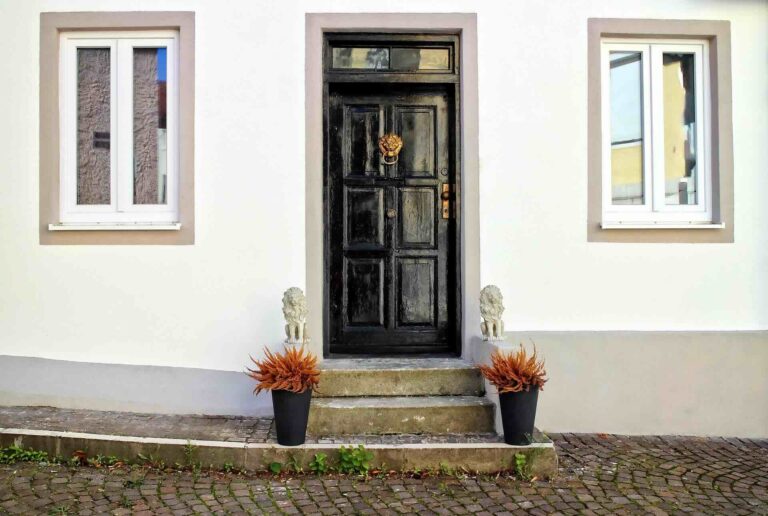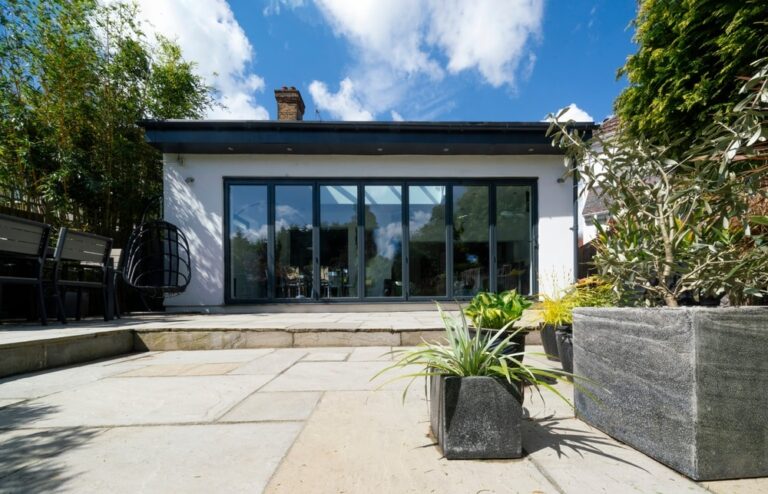











When comparing French doors vs sliding patio doors, it comes down to three things for Southeast homeowners: floor space, climate priorities, and architectural style, but the right choice depends on cost, energy efficiency, security, and long-term value for your home in Georgia, Tennessee, Alabama, or North Carolina.
Key Takeaways
French doors swing open on hinges and offer a wider walk-through; sliding patio doors glide on a track and save floor space
For Southeast homes, look for ENERGY STAR-certified doors rated for the Southern zone (U-Factor ≤ 0.32, SHGC ≤ 0.23) or South-Central zone (U-Factor ≤ 0.28, SHGC ≤ 0.23)
Sliding patio doors typically cost less and are easier on tight floor plans
French doors generally seal tighter against air leakage and offer more design flexibility for traditional Southeast architecture
Both styles can earn the federal 25C tax credit of up to $250 per door (maximum $500/year) when ENERGY STAR-certified
Your final pick should weigh wall opening width, prevailing wind direction, and how often you entertain on the patio
Which patio door is best for your Southeast home: the one with hinges or the one on a track?
You’re weighing a choice that will shape your home for the next 20 to 30 years. Patio doors are often the largest piece of glass in your house, the daily passageway to your backyard, and a real factor in your power bill. Choosing right the first time saves money and frustration.
What Are French Doors and Sliding Patio Doors?
The following six factors cover what matters most when comparing French doors vs sliding patio doors: space, airflow, energy efficiency, security, cost, and maintenance. Each of these factors could tip the decision in a different direction for Southeast homeowners, depending on your home and how you live in it.
1. Space and Floor Plan
This factor’s usually the dealbreaker. French doors need clearance, typically 2 to 3 feet of swing space on whichever side they open. If your sofa’s right against that wall or your patio table sits five feet from the threshold, you have a problem.
Sliding patio doors need zero clearance. The door panel slides parallel to the wall so furniture placement stays untouched.
In tight Atlanta condo balconies or compact Raleigh townhomes, sliding doors almost always make more sense. In a sprawling Alpharetta great room or a deep Knoxville porch, French doors have space to shine.
2. Opening Width and Airflow
When fully open, French doors give you the entire doorway, typically 5 to 6 feet of clear opening for a standard double unit. That’s a real difference if you’re moving furniture, hosting a crowd that flows in and out, or just love a wide-open spring breeze.
In standard two-panel designs, sliding doors only ever open half of their width. A 6-foot slider gives you a 3-foot opening. Multipanel and pocket sliders can match or beat French doors, but they cost more.
For Chattanooga or Nashville homeowners who entertain on the deck through three seasons, the airflow advantage of French doors provides a quality-of-life perk.
3. Energy Efficiency
This factor matters more in the Southeast than people realize. Hot summers mean that your air conditioning (AC) system runs hard, and a leaky patio door can cost real money.
The U.S. Department of Energy (DOE) has stated that single-pane patio doors, especially sliding glass doors, historically lose much more heat than other types of doors because glass is a poor insulator. The DOE also points out that swinging doors usually offer a tighter seal than sliding types when comparing modern patio doors.
Today’s high-quality sliders close the gap considerably with multipane glass, low-emissivity (low-E) coatings, and gas fills. The DOE recommends models with several layers of glass and low-conductivity gases between the panes as good investments.
For homeowners in Alabama, Georgia, North Carolina, and Tennessee, the relevant ENERGY STAR climate zones are Southern, which covers most of Georgia, Alabama, and southern North Carolina, and South-Central, which covers Tennessee, northern North Carolina, and parts of northern Alabama and Georgia. According to ENERGY STAR Version 7.0, certified doors in these zones need:
- Southern zone: U-Factor ≤ 0.32, SHGC ≤ 0.23
- South-Central zone: U-Factor ≤ 0.28, SHGC ≤ 0.23
The lower the U-Factor, the better the door insulates. The lower the SHGC, the less solar heat gets in, which is exactly what you want during August in Birmingham.
The National Fenestration Rating Council (NFRC) is the third-party body that tests and labels every ENERGY STAR door so be sure to look for both labels when shopping for your French door or sliding patio door.
4. Security
A common myth claims that French doors are less secure because they have a vertical seam in the middle. The reality is more nuanced.
Modern French doors come with multipoint locking systems, typically 3-point or 5-point locks that engage the frame at top, middle, and bottom. That’s a serious deterrent.
Sliding doors have a different vulnerability: they can sometimes be lifted off the track. Quality manufacturers solve this with antilift hardware, foot locks, and reinforced frames. Impact-resistant glass is also widely available.
Both styles can be very secure with the right hardware. And both can be vulnerable with cheap hardware. The product matters more than the style.
Fiberglass typically performs better than wood on both measures, especially once you account for the wood door’s tendency to develop air leaks as it expands and contracts with seasonal humidity swings.
5. Cost
Installed patio door costs in Alabama, Georgia, North Carolina, and Tennessee in 2026 consist of:
- Sliding patio doors—vinyl, two-panel: $1,400-4,200 installed
- French patio doors—fiberglass or wood: $2,400-6,800 installed
- Premium multislide or pocket doors: $7,500-19,000+ installed
These ranges reflect typical project pricing across the Southeast. Labor rates in our region tend to run slightly below national averages, but high-humidity-rated frame materials such as fiberglass or clad-wood add 10 to 20 percent to product cost compared to basic vinyl.
French doors typically cost 20 to 40 percent more than comparable sliders because of the additional hardware: two operating panels, hinges, and multipoint locks and the labor involved in framing and installing two swinging units.
Material choice matters more than style for long-term cost. Fiberglass and clad-wood frames cost more upfront, but resist Southeast humidity better than basic vinyl.
6. Maintenance and Longevity
Sliding doors have a moving system everyone hates: the track, and pollen, pet hair, and grit collect there. If you skip cleaning it for a year, you’ll feel it in the operation. Most modern tracks need a quick vacuum and silicone wipe every few months.
French doors need periodic hinges and weatherstripping checks. Settling foundations, common in Tennessee clay soils, can throw a French door out of alignment, and the seal between the two panels is the most likely place for air leakage over time.
Neither door style is high-maintenance compared to wood siding or a roof. The failure modes are different so you need to consider which you’d rather deal with.
When French Doors Win
French doors are the right call when your home’s layout, architecture, and lifestyle align with what they do best. Consider French doors if any of the following sound like your situation:
- You’ve a traditional or historic home like an older neighborhood in Birmingham, Charlotte, or Nashville, where hinged doors match the architecture
- Your floor plan has clear swing space inside or outside
- You entertain often and want maximum airflow and walk-through width
- You’re connecting a kitchen or family room directly to a deck or covered porch
- You want the option of a single operable panel for every day use plus a second panel that opens for parties
- Multipoint locking and a tighter air seal are priorities
Ready to look at French doors specifically? Browse our French door collection: fiberglass, steel, and clad-wood options available across Georgia, Tennessee, Alabama, and North Carolina.
When Sliding Patio Doors Win
Sliding patio doors earn the win when space efficiency, ease of use, and modern aesthetics matter most. Consider a sliding patio door if any of the following describe your situation:
Cost over 20 years of ownership looks like:
- Floor space inside or out is at a premium such as in Alpharetta condos, Raleigh townhomes, and Knoxville bungalows
- You want maximum unobstructed glass and view
- Budget’s a primary concern and you still want a quality product
- You’ve small kids or aging family members who’ll appreciate easy, light operation
- Your design aesthetic leans modern, midcentury, or contemporary
- You’re replacing an existing slider and don’t want to reframe the rough opening
Ready to look at sliding patio doors specifically? See our patio door selection: sliding glass, multisliding, and hinged styles.
Climate Realities Every Southeast Homeowner Should Factor In
National buying guides tend to ignore conditions specific to our region, but a few of those conditions matter more than they realize.
- Humidity and door materials—Atlanta, Birmingham, and the Carolinas regularly hit 80 percent and over summer humidity. Wood-frame French doors look stunning, but may swell and bind unless they’re properly clad. Fiberglass and aluminum-clad wood handle our climate better long-term.
- Pollen—Spring in Knoxville or Chattanooga coats every horizontal surface in yellow dust, but sliding door tracks hate pollen. If you live where pine and oak pollen is heavy, plan on more frequent track cleaning or lean toward French doors.
- Severe weather—Tornado alley clips into northern Alabama and middle Tennessee, and the Carolinas see hurricane remnants. Impact-rated glass is available for both styles and worth the upgrade if you’re near Huntsville or east of Raleigh toward the coast.
- HVAC strain from poor seals—A door that doesn’t seal well isn’t just losing conditioned air; it’s pulling unfiltered humid air with allergens into your home. The air-leakage rating on the NFRC label matters here. Aim for 0.3 cfm/ft² or lower.
- Foundation movement—North Georgia red clay and middle Tennessee soils shift seasonally, and French doors are more sensitive to this than sliders. If your home’s older or built on a known clay site, ask your door installer about adjustable hinges.
What to Look For on the Spec Sheet
When you’re comparing actual products at a showroom in Atlanta or going through a contractor’s quote in Charlotte, ignore the marketing brochure and read the NFRC label.
According to the DOE, the NFRC label is the most reliable way to compare energy properties between products.
Focus on five performance ratings on the NFRC label as they matter most for Southeast homes:
- U-Factor—This rating measures how much heat transfers through the door. Lower numbers mean better insulation so aim for 0.30 or less in our climate zones.
- Solar Heat Gain Coefficient (SHGC)—This rating measures how much solar heat passes through the glass. Lower’s better in the Southeast where summer sun is the bigger enemy than winter cold so aim for 0.25 or less.
- Visible Transmittance (VT)—This rating measures how much natural light comes through the glass. Higher numbers mean a brighter room so a VT of 0.40 or higher’s typical for full-glass doors.
- Air Leakage (AL)—This rating measures how much air leaks around the door at standard test pressure. Lower numbers mean fewer drafts and lower energy waste so a reading of 0.3 cfm/ft² or below’s solid.
- Condensation Resistance (CR)—This rating is optional on the NFRC label, but it’s useful in humid Southeast climates because it predicts how well the door resists fogging and moisture buildup. Higher numbers indicate better performance.
If a salesperson can’t show you the NFRC label, walk away.
Federal Tax Credit Worth Knowing About
The Energy Efficient Home Improvement Tax Credit (Section 25C) lets homeowners claim 30 percent of the cost of qualifying ENERGY STAR-certified exterior doors, up to $250 per door and $500 total per year. The annual aggregate cap on home envelope improvements (windows, doors, insulation) is $1,200, with a total credit ceiling of $3,200 when combined with heat pumps and other items.
Both French doors and sliding patio doors can qualify if they’re ENERGY STAR-certified for your climate zone. Per ENERGY STAR’s guidance, you’ll need the manufacturer’s NFRC Certified Product Directory (CPD) number to verify eligibility when you file IRS Form 5695.
Hiring the Right Door Installer in the Southeast
If installed badly, even a premium door will leak air, fail early, and void the warranty. Be sure to take the following hiring tips into consideration whether you’re in Nashville, Charlotte, or Birmingham:
- Confirm that the installer carries general liability and workers’ compensation insurance. You should always require this insurance reference because it protects you if a worker’s injured on your property.
- Ask whether the installation crew is certified by the Fenestration & Glazing Industry Alliance (FGIA) or manufacturer-trained on the specific product line.
- Get at least three written quotes that include door model, glass package, frame material, hardware, removal/disposal, and any structural work.
- Verify the warranty covers both product and labor and find out who handles a warranty claim if something goes wrong in year four.
- Ask for references in your specific city; for instance, Atlanta installs and Knoxville installs face different conditions.
Comparison: French Door vs Sliding Patio Doors
Take a look at side-by-side comparisons of the eight factors that Southeast homeowners typically use in deciding on French doors vs sliding patio doors for their homes.
| Factor | French Doors | Sliding Patio Doors |
|---|---|---|
| Swing space needed | Yes (2-3 ft) | None |
| Maximum clear opening | Full doorway (5-6 ft typical) | Half of total width |
| Cost (installed) | $2,500-7,000+ | $1,500-4,500+ |
| Air seal | Usually tighter | Track-dependent |
| Best architectural fit | Traditional, colonial, craftsman | Modern, contemporary, midcentury |
| Maintenance focus | Hinges, weatherstripping | Track cleaning |
| Ease of operation | Moderate | Very easy |
| Furniture-friendly | Less | More |
Reference Sources
- ENERGY STAR: Exterior Doors Tax Credit
- ENERGY STAR (EPA/DOE): Residential Windows, Doors, & Skylights
- Fenestration & Glazing Industry Alliance (FGIA): Homeowner Resources
- National Fenestration Rating Council (NFRC): Directory Search
- U.S. Department of Energy (DOE): Energy Performance Ratings for Windows, Doors, and Skylights
- U.S. Department of Energy (DOE): Selecting New Exterior Doors
Frequently Asked Questions (FAQ) for Fiberglass vs Wood Entry Doors
Here are answers to the questions that come up most often when Southeast homeowners are weighing French doors vs sliding patio doors.
What’s the difference between French doors and sliding doors for a patio?
French doors are hinged double doors that swing open from the center. Sliding patio doors glide on a horizontal track and don’t require swing clearance. French doors generally provide a wider opening and tighter air seal while sliding doors save floor space and offer more uninterrupted glass.
Are French doors more energy efficient than sliding patio doors?
Yes, usually, but not always. The DOE states that swinging doors typically offer a tighter seal than sliding types. A high-quality slider with low-E glass and ENERGY STAR certification can outperform a budget French door. Compare NFRC labels, not styles.
Do French doors or sliding doors add more home value?
Both add value when they replace dated single-pane units. French doors tend to add more perceived value in traditional homes, common across the older neighborhoods of Atlanta, Charlotte, and Nashville. Sliders add more value in modern or midcentury homes. The bigger value driver is energy efficiency and condition, not style.
Can I replace a sliding door with French doors?
Yes, usually, but it requires reframing the rough opening because French doors need a different header configuration and swing clearance. Expect higher labor costs than a like-for-like slider replacement. A qualified Southeast installer can confirm feasibility after a site visit.
Are sliding patio doors safe in storms?
Standard sliders don’t work well in severe weather, but impact-rated sliding doors with laminated glass and reinforced frames are widely available and rated for hurricane and tornado conditions. It’s worth considering if you’re in northern Alabama, eastern North Carolina, or anywhere with regular severe weather.
Which option works better for a small space?
Sliding patio doors, almost always. They take zero swing clearance, which is a huge advantage in Alpharetta condos, Charlotte townhomes, and Knoxville bungalows.
How long do patio doors last?
A well-installed quality patio door lasts 20-30 years. Vinyl frames trend toward the lower end, fiberglass and clad wood toward the higher end. Maintenance habits and Southeast humidity exposure both affect where your door lands in that range.
What’s the ENERGY STAR climate zone for my city?
Homes in Atlanta, Alpharetta, Birmingham, Huntsville, Charlotte, and Raleigh are typically in the Southern zone. Homes in Chattanooga, Knoxville, and Nashville are typically in the South-Central zone. You should verify the exact zone your home’s in with ENERGY STAR’s climate zone finder, using your zip code.
Making the Choice That Fits Your Home
There’s no universal winner in the French doors vs sliding patio doors debate. There’s only the right choice for your specific home, lifestyle, and Southeast climate realities.
If you want classic style, maximum airflow, and a tighter seal, and you have the swing space, French doors deliver. If you want maximum view, easy operation, and a lower price, and floor space is at a premium, a quality slider is the smart pick.
Whichever direction you lean in, prioritize ENERGY STAR certification for the Southern or South-Central climate zone, look at the actual NFRC label numbers, and hire a door installer with verified credentials and references in your city.
Pinnacle Home Improvements installs both French doors and sliding patio doors across Georgia, Tennessee, Alabama, and North Carolina.
Request your free consultation today, and we’ll come to your home to assess your specific needs, see both styles side by side, get accurate measurements, and lock in firm, written pricing with no surprises.